Featured
Scandinavian History & Story
The Viking Age
For nearly three centuries, Scandinavian people from the lands we now know as Denmark, Norway, and Sweden crossed seas and followed rivers that connected Europe, Asia, and the North Atlantic. Some came as raiders, but many more traveled to trade, explore, settle new lands, or seek opportunity. At home, they were farmers, fishermen, shipbuilders, blacksmiths, merchants, and storytellers whose lives were rooted in family and community.
Today, the word Viking often brings to mind warriors and longships. Those were certainly part of the story, but they were never the whole story. The Viking Age was shaped by remarkable ships, thriving trade networks, skilled craftsmanship, and a culture that left its mark through runestones, sagas, laws, and discoveries that stretched from North America to the Middle East.
Ships and Routes
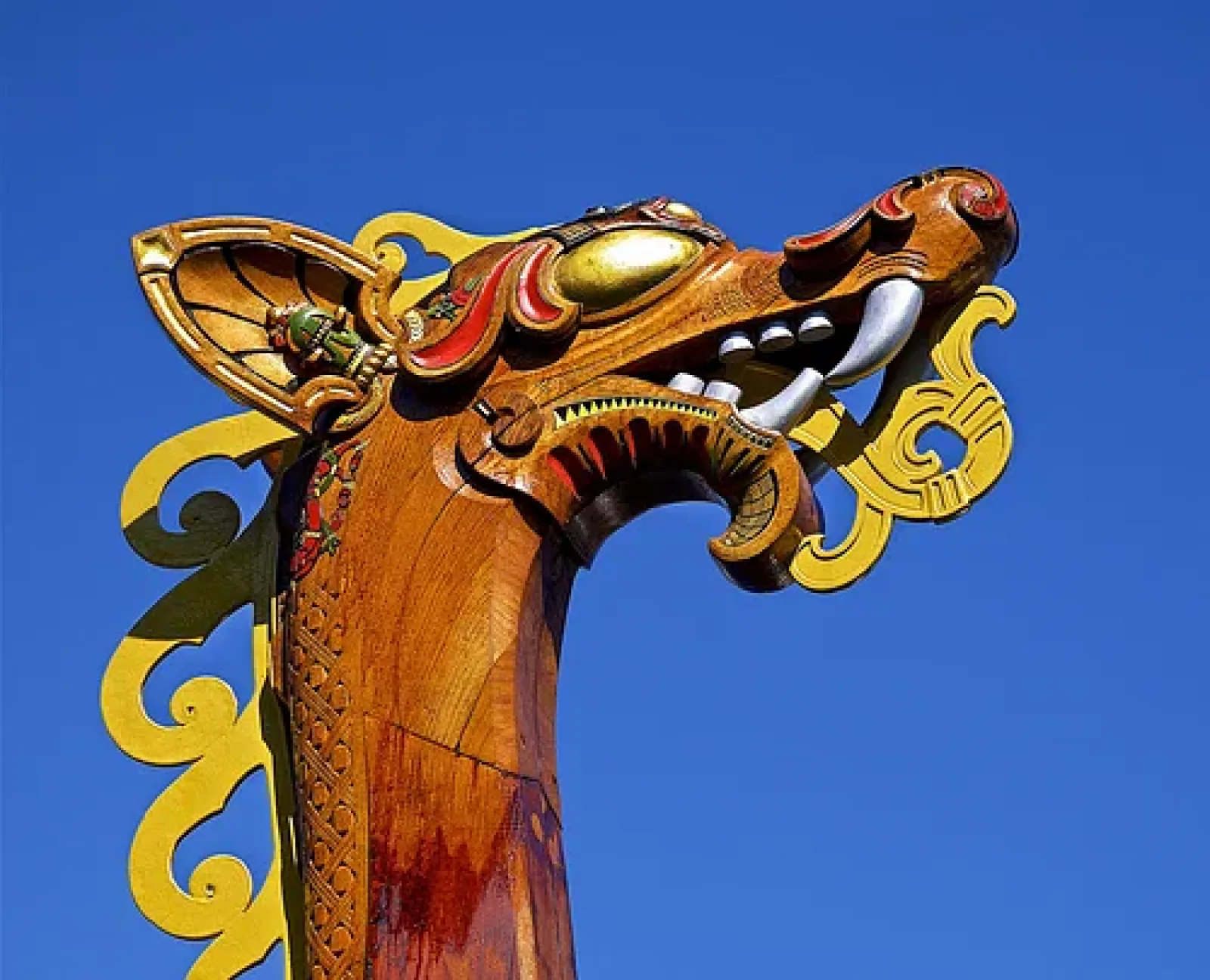
The Vikings built some of the most capable ships of their time. Their shallow drafts allowed them to sail across open seas, navigate winding rivers, slip into narrow fjords, and land directly on almost any shoreline. The same vessels carried merchants, explorers, families, and craftsmen alongside cargoes of timber, furs, silver, textiles, livestock, and food.
Those ships connected Scandinavia to a much larger world. A crew might spend one season trading in England, another following rivers deep into Eastern Europe, or settle in Iceland, Greenland, or Normandy. The ship was far more than a means of travel. It was the technology that shaped Viking society, opening new opportunities for trade, exploration, settlement, and cultural exchange.
Trade Routes
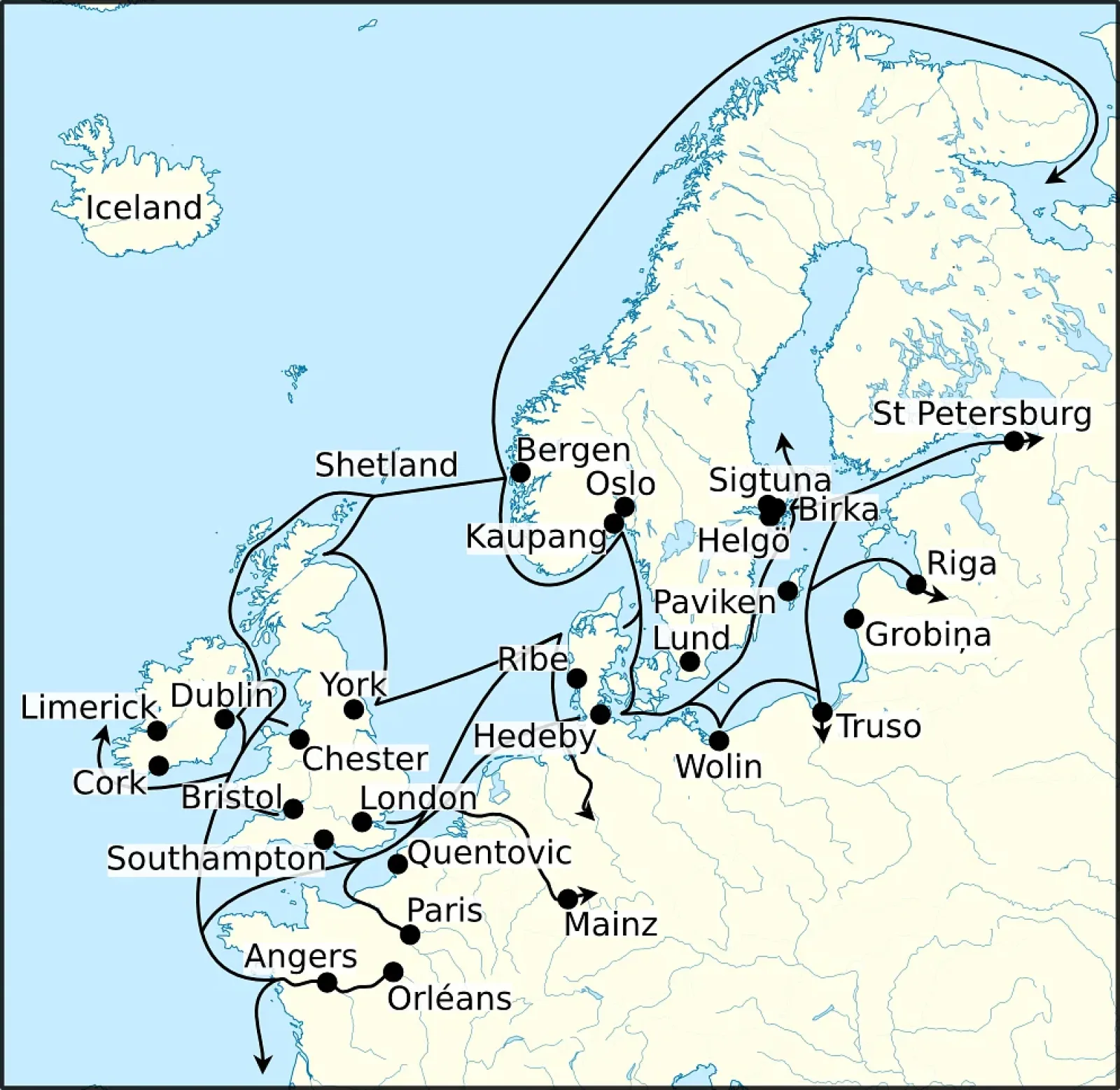
The Viking world was linked by an extraordinary network of trade routes that stretched across Europe and beyond. Danish centers such as Ribe and Hedeby welcomed merchants from distant lands, joining thriving ports like York, Dublin, Birka, Kaupang, Quentovic, Truso, and Riga. Long before modern highways or railroads, the sea connected people, markets, and ideas.
These routes carried far more than silver and valuable goods. They brought textiles, amber, furs, glass, spices, skilled craftsmen, new technologies, artistic styles, and religious beliefs from one region to another. Understanding those connections reveals a very different picture of the Viking Age, one built as much on commerce and curiosity as on conflict.
The Stories They Left Behind
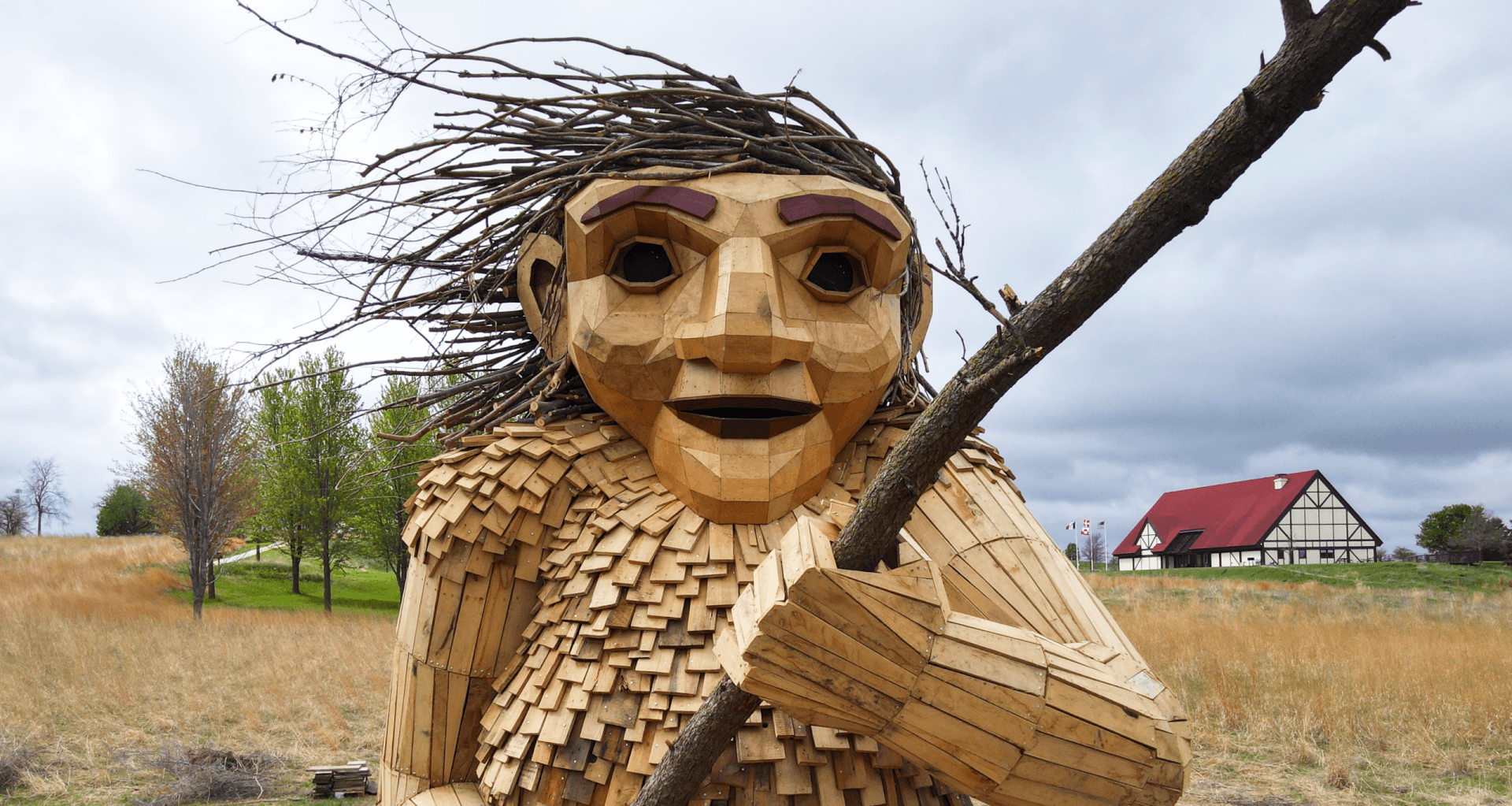
The Norse imagined a world where gods walked among giants, fate shaped every life, and courage mattered in the face of uncertainty. These stories helped explain the seasons, the natural world, and humanity's place within it.
Long before stories were written down, they were spoken around hearth fires and carried from one generation to the next. Sagas preserved family histories, celebrated great journeys, and ensured remarkable lives would not be forgotten.
Rune stones were more than carved monuments. They honored loved ones, marked important events, claimed land, and left messages that can still be read nearly a thousand years later.
The Viking Age is reconstructed from many kinds of evidence. Sagas and medieval writings provide valuable stories, while archaeology, ships, coins, graves, tools, and everyday objects help historians separate legend from lived experience.
Farms, Homes, and Craft
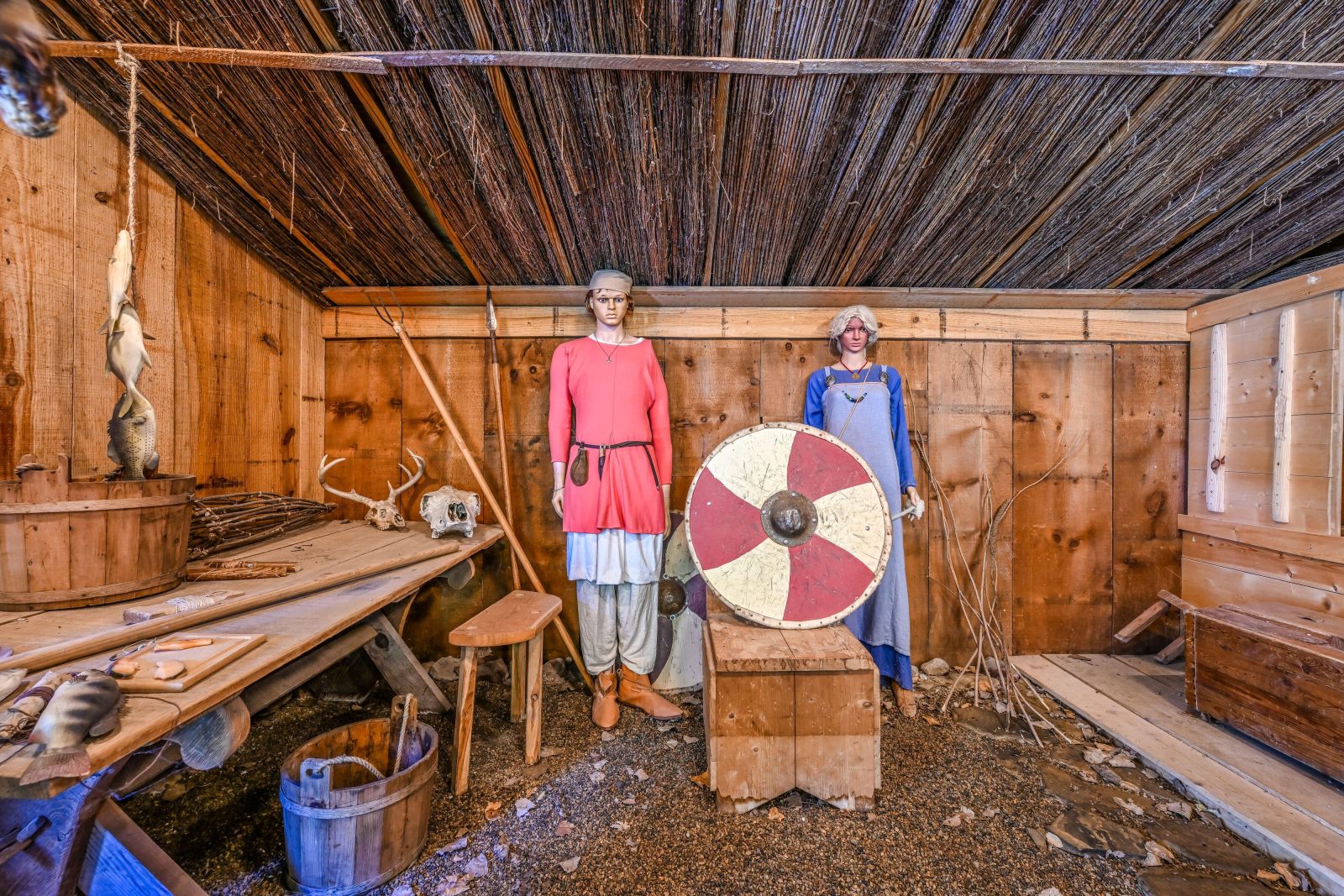
Most people in the Viking Age never set out on a raid. Their days were spent raising crops, tending livestock, fishing, building ships, weaving cloth, forging tools, and trading with neighboring communities. Homes were busy places where families worked together, children learned practical skills, and every season brought new tasks that kept the household running.
That daily work was the foundation of Viking society. Skilled shipbuilders made exploration possible. Blacksmiths forged the tools people depended on. Farmers produced the food that sustained growing communities. Traders connected Scandinavia to distant markets. Like any thriving society, the Viking world relied on the talents of many people whose names were never recorded, but whose work shaped everyday life.
Myths and Memory
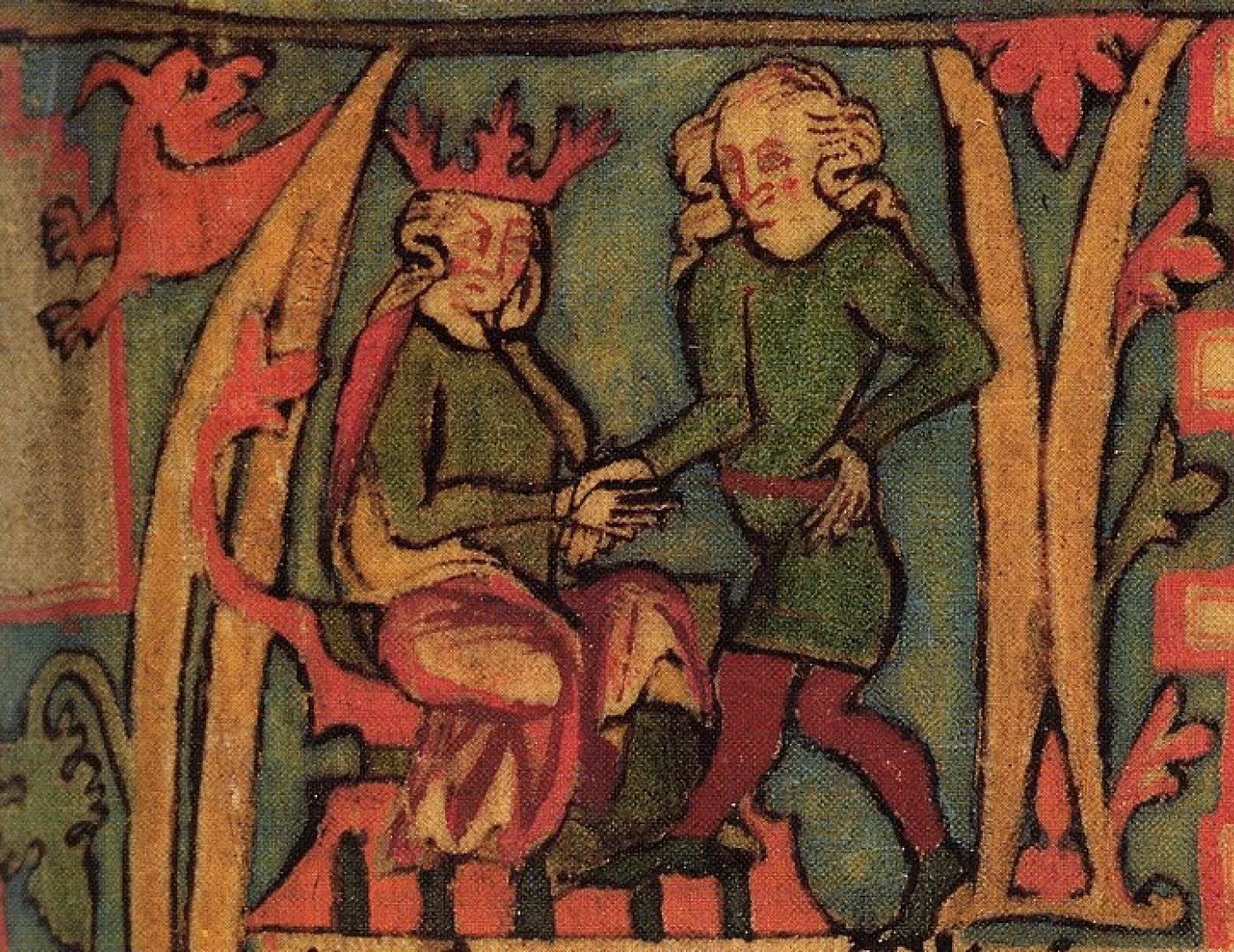
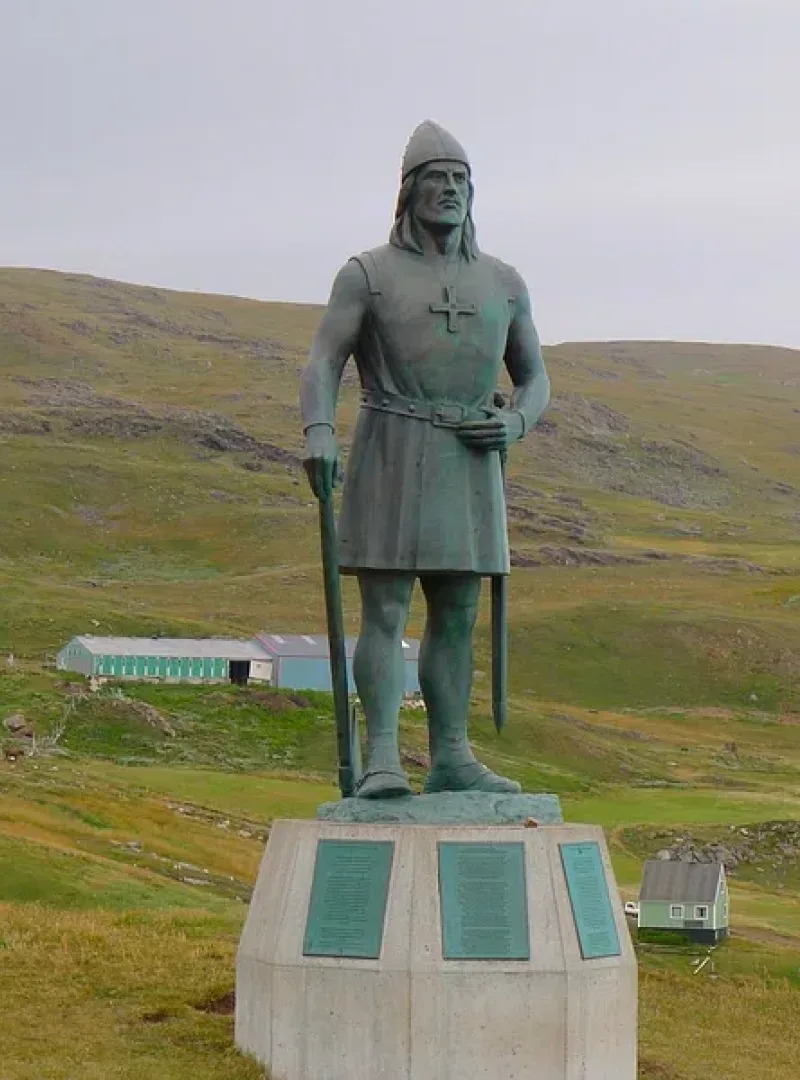
Our image of the Vikings has been shaped over many centuries. History, archaeology, medieval sagas, nineteenth-century artists, movies, television, and tourism have all added their own layers to the story. Together they created the familiar Viking of popular culture, one that is sometimes rooted in fact and sometimes in imagination.
The horned helmet is perhaps the best-known example. Although it has become an enduring symbol of the Viking Age, archaeologists have found no evidence that Viking warriors commonly wore horned helmets in battle. The image became popular centuries later through romantic paintings, stage productions, and illustrations that favored dramatic storytelling over historical accuracy.
VikingHjem
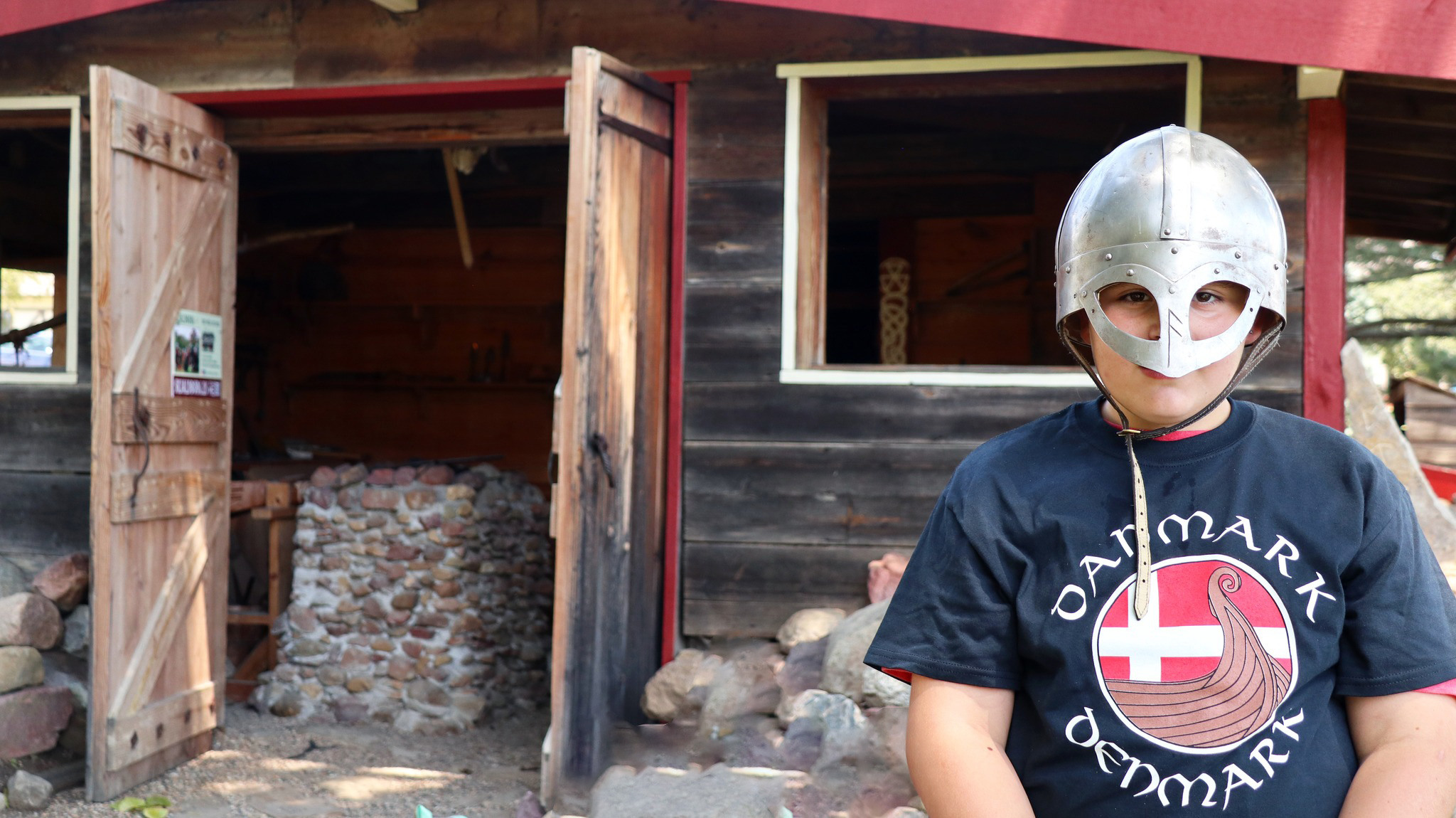
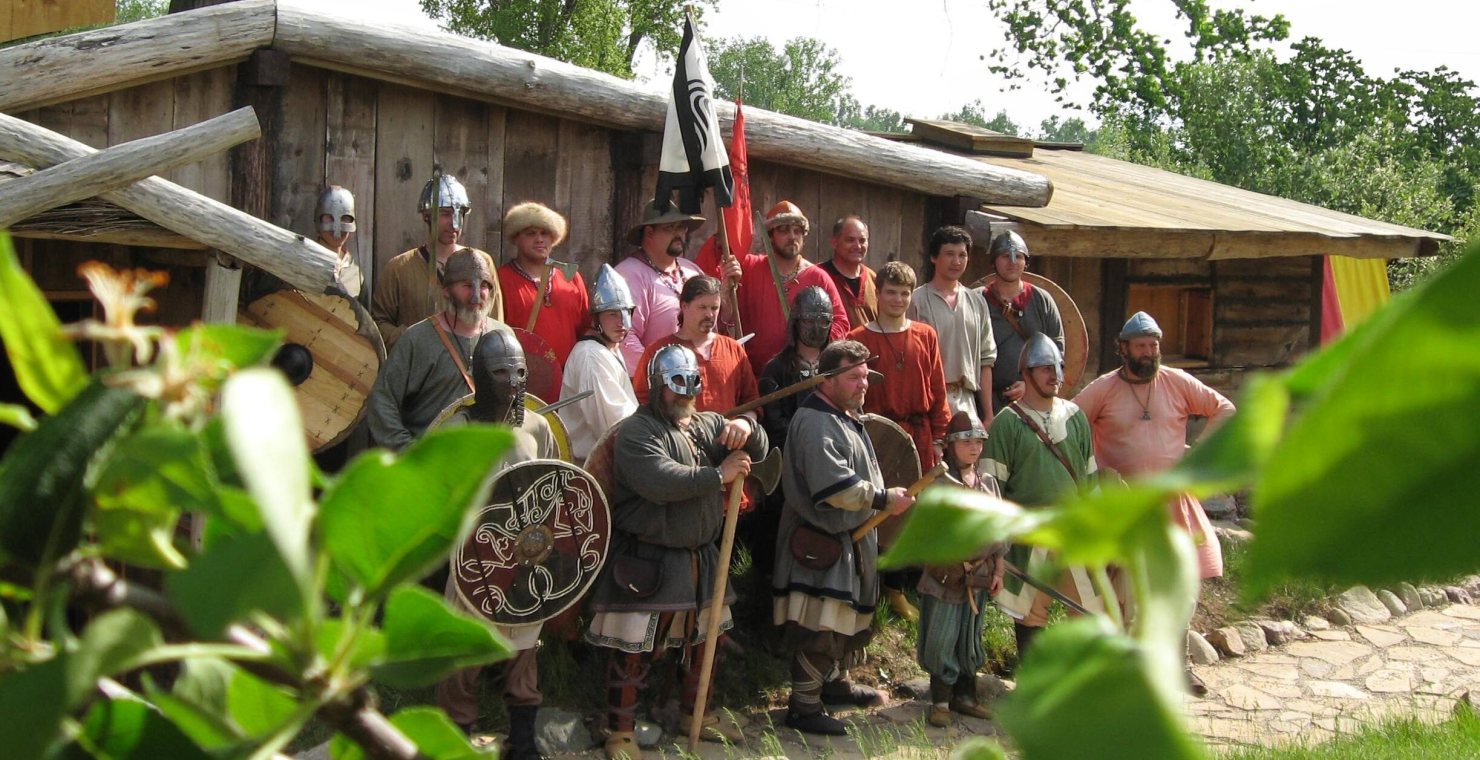
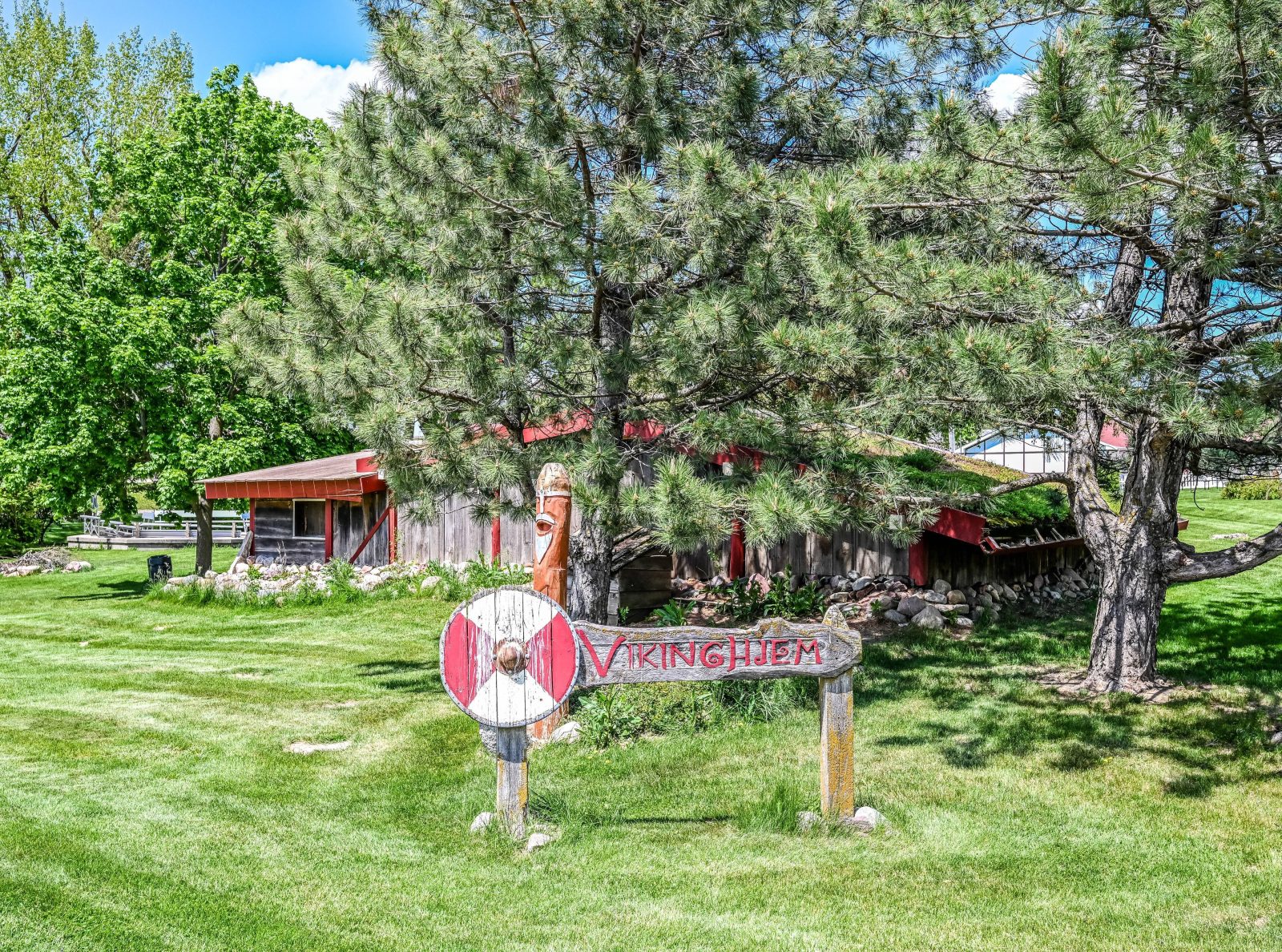
VikingHjem brings the Viking Age within reach. Built as a reconstruction of a blacksmith's home and workshop from around 900 AD, it offers a glimpse into the place where families lived, worked, and created the tools that supported an entire community. Timber walls, a turf roof, a central hearth, and working spaces help visitors imagine a home filled with the sights, sounds, and rhythms of everyday life.
Inside, the Viking story becomes something tangible. You can picture the glow of the forge, the smell of wood smoke, the sound of iron being shaped, and the steady work of hands turning raw materials into useful objects. VikingHjem reminds us that the Viking Age was built not only by explorers and warriors, but by skilled craftspeople whose work made every voyage, every settlement, and every community possible.
Skjaldborg and Living History
The Skjaldborg Vikings have been valued partners of the Danish Windmill for nearly 20 years. They built VikingHjem and continue to help maintain and improve it. During Tivoli Fest and other events, visitors may encounter demonstrations, combat, games, metalwork, weaving, woodworking, and other period arts and crafts.
Featured Page
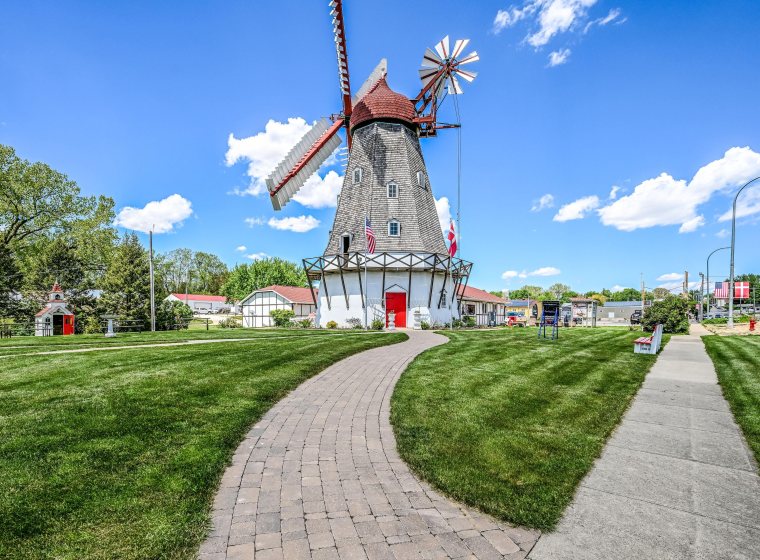
Plan your visit to the Danish Windmill, explore the grounds, check hours, and find the practical details that make a stop in Elk Horn easy.
Read the story