Featured
Season of Light & Magic
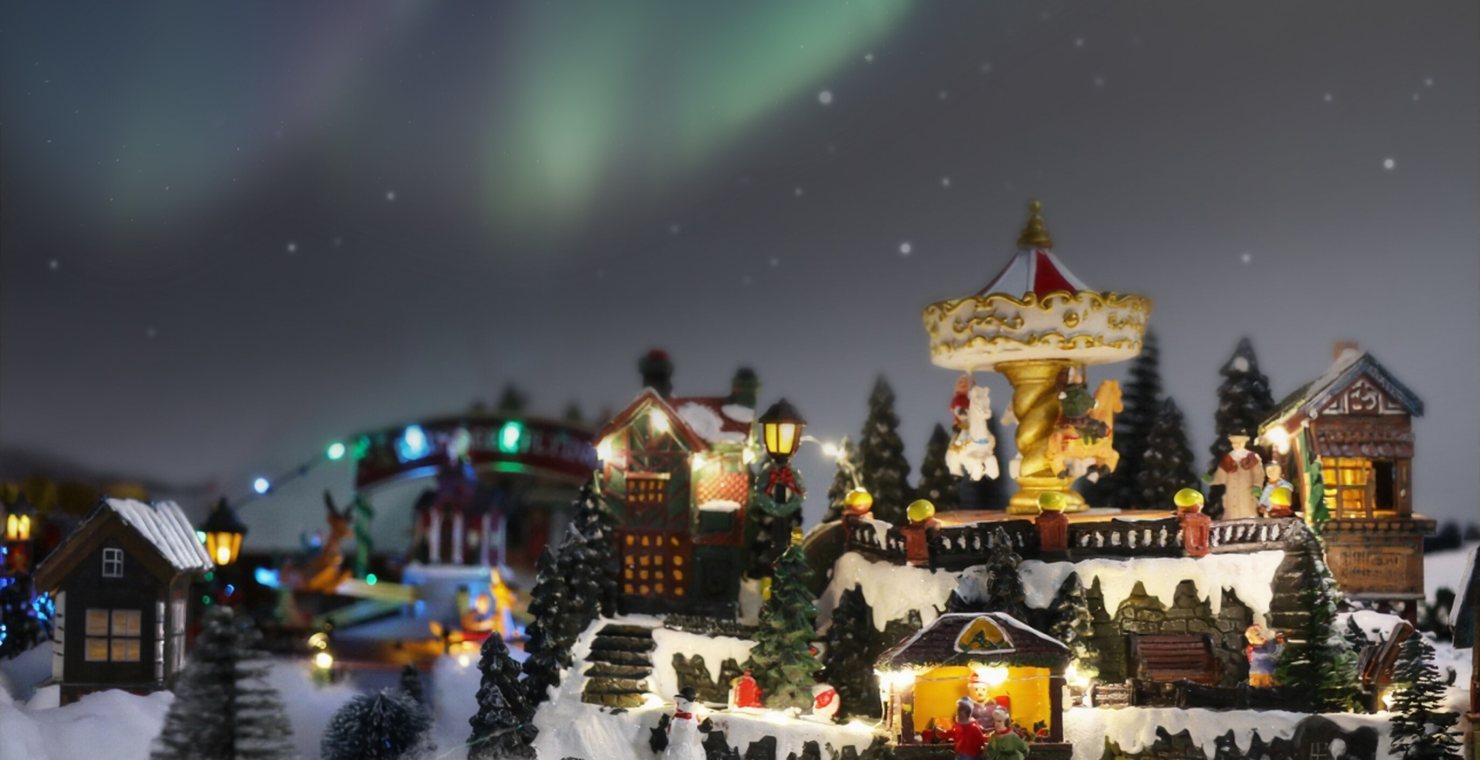
Waiting for Christmas
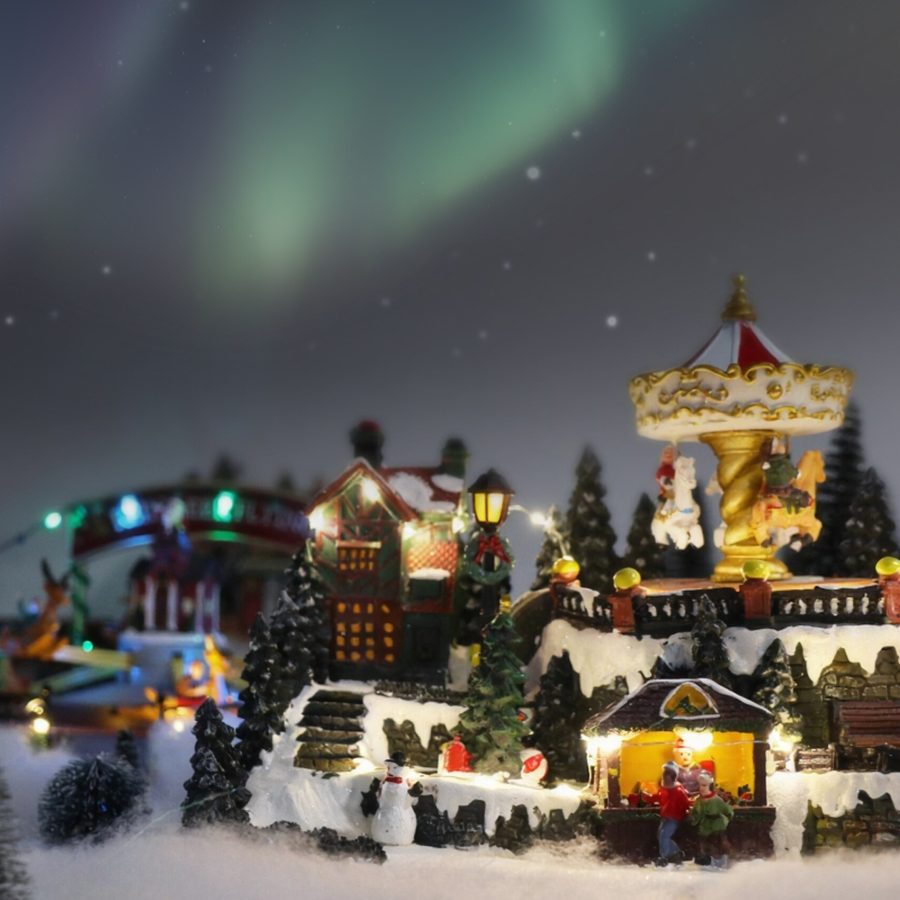
In Denmark, Christmas doesn't arrive all at once. It gathers slowly as the days grow shorter. Candles appear in windows, paper calendars count down the days, the scent of baking fills the house, and families begin decorating with ornaments that have often been part of Christmas for generations. By the time December 24 arrives, the season has already been unfolding for weeks.
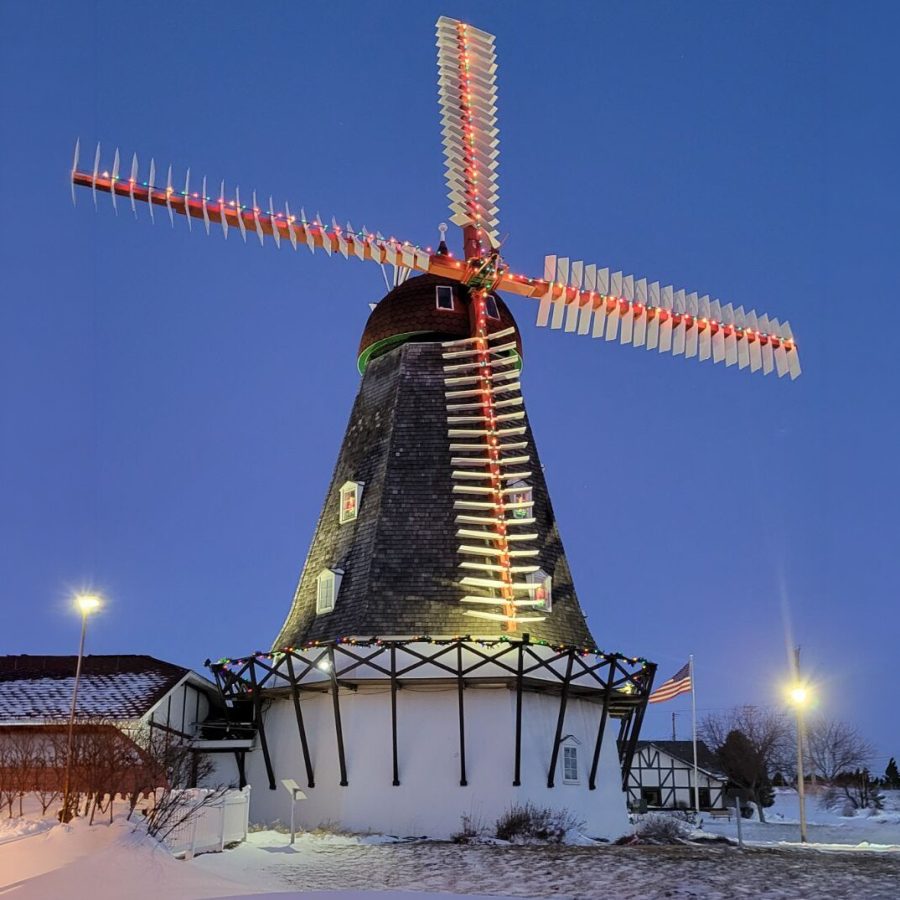
That same rhythm can be found in Elk Horn and Kimballton. Christmas comes alive through Julefest, church services, the Heritage Market, shared meals, and the traditions families bring home each year. Together, they create a season that feels unmistakably Danish, even thousands of miles from Denmark.

Advent and the Countdown
In Denmark, Christmas is built through small daily rituals. Four Advent candles mark the Sundays leading to Christmas, while a kalenderlys, or calendar candle, burns down one numbered mark each day from December 1 through December 24. For many children, watching the flame reach the next number becomes part of the excitement, a quiet reminder that Christmas is drawing closer.

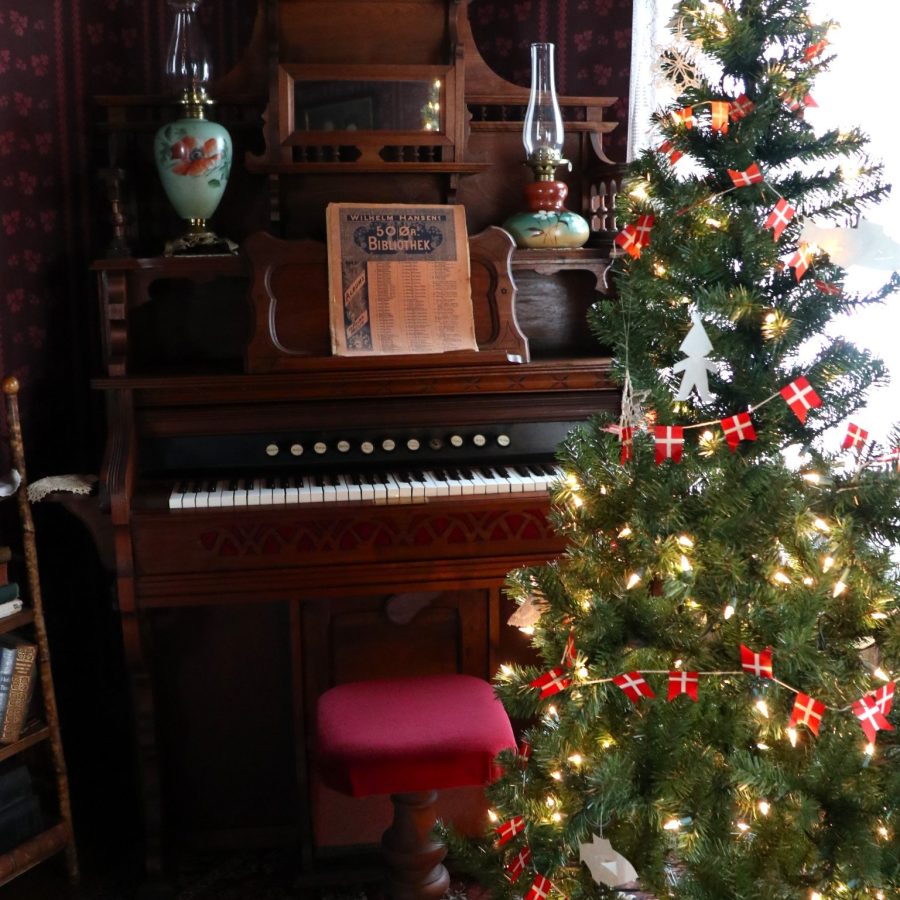
That same sense of anticipation appears everywhere. Advent calendars reveal a small surprise each morning. Paper hearts are folded, decorations are hung, favorite songs return, and homes gradually fill with light. Rather than waiting for Christmas to arrive, Danish families spend weeks creating it together.
Food, Warmth, and Welcome
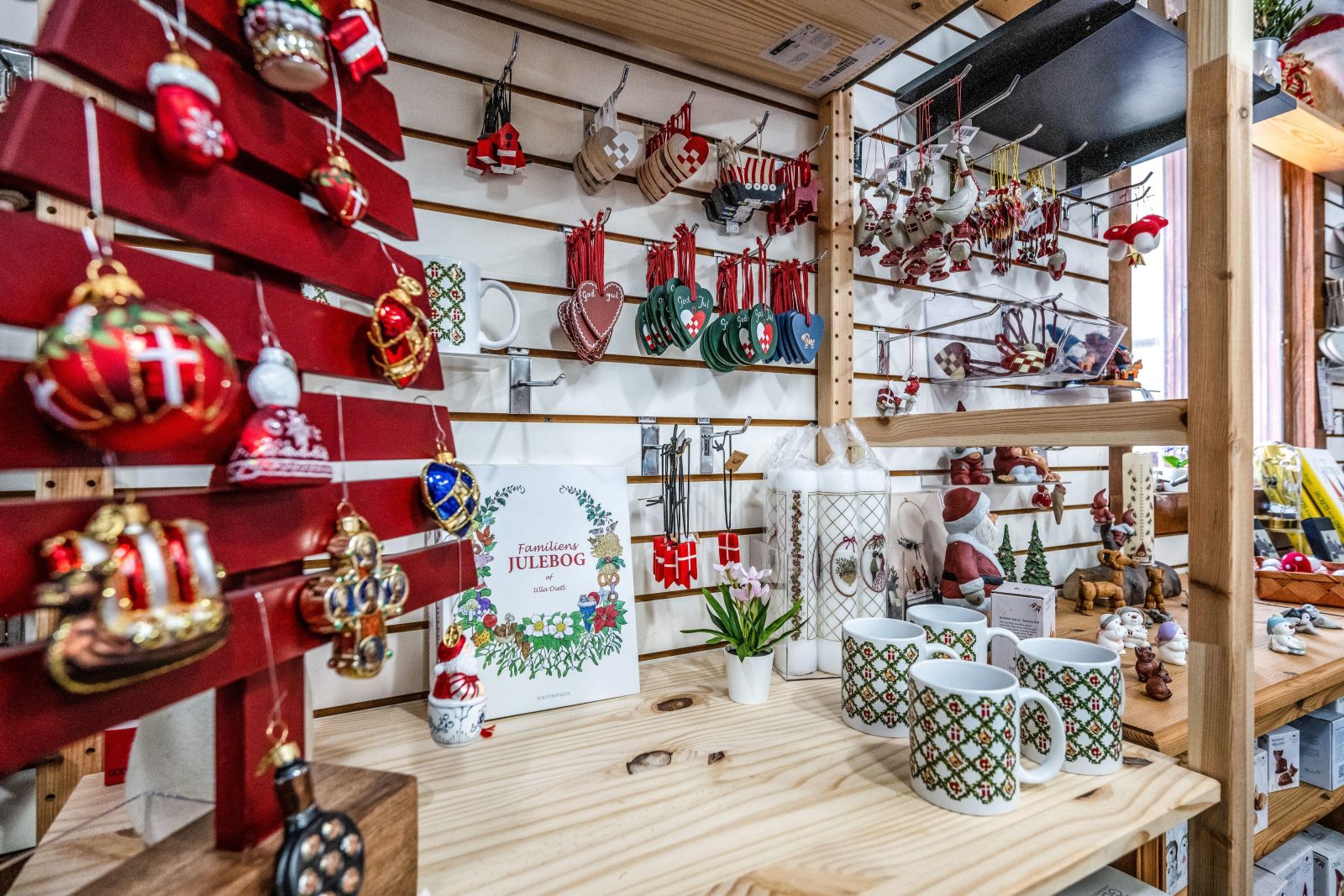
The flavors of Danish Christmas arrive long before Christmas Eve. A pot of warm gløgg welcomes family and friends through the door, while plates of æbleskiver, pebernødder, klejner, brunkager, candied almonds, marzipan, and holiday cookies appear throughout the season. These familiar foods invite people to linger, share stories, and enjoy the simple pleasure of being together.
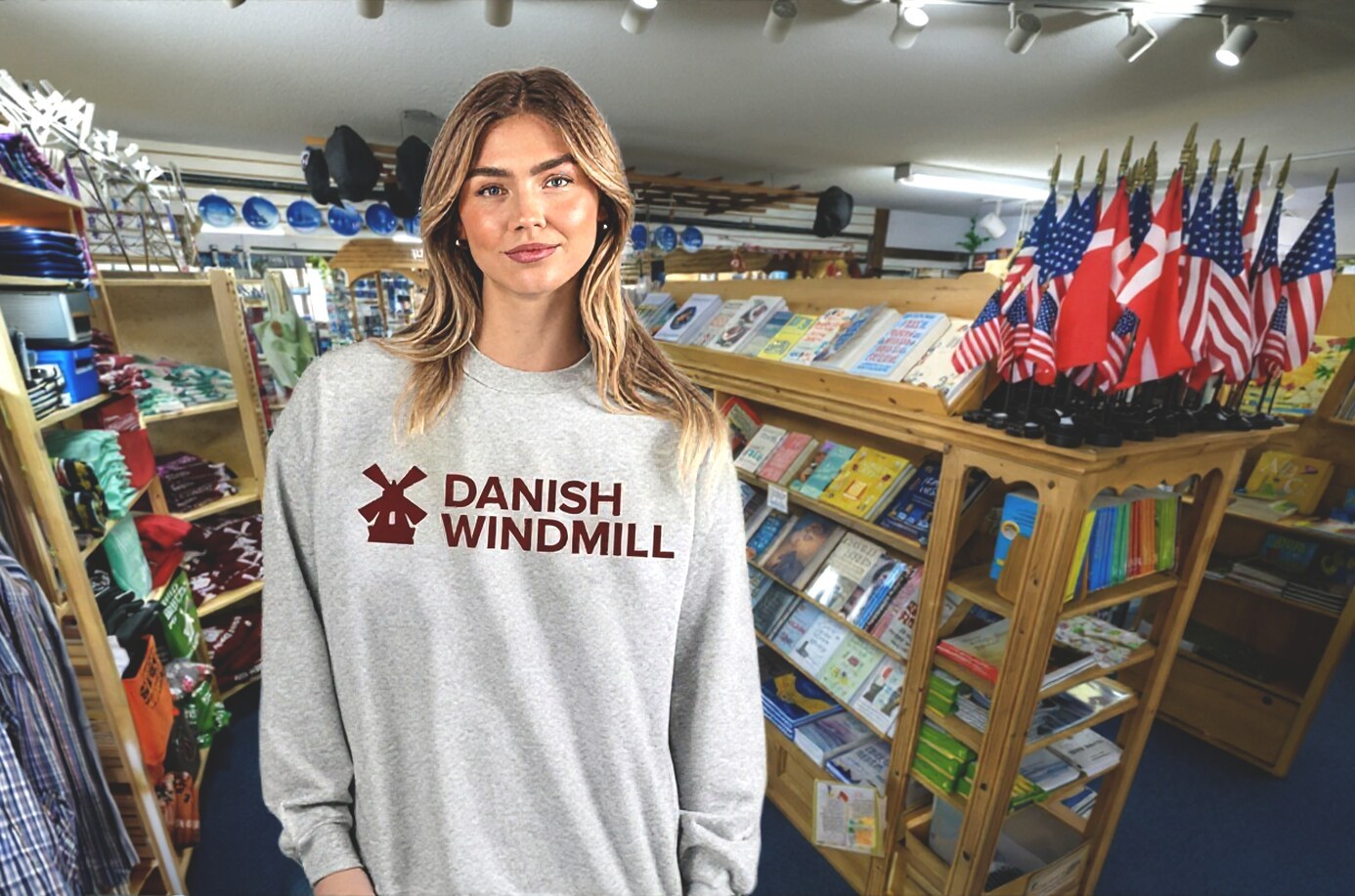
That same spirit continues at the Danish Windmill. The Heritage Market offers more than holiday shopping. It's a place to discover the tastes, traditions, and handcrafted gifts that help bring a little Danish Christmas home, whether you're continuing a family tradition or starting a new one.
Holiday Objects
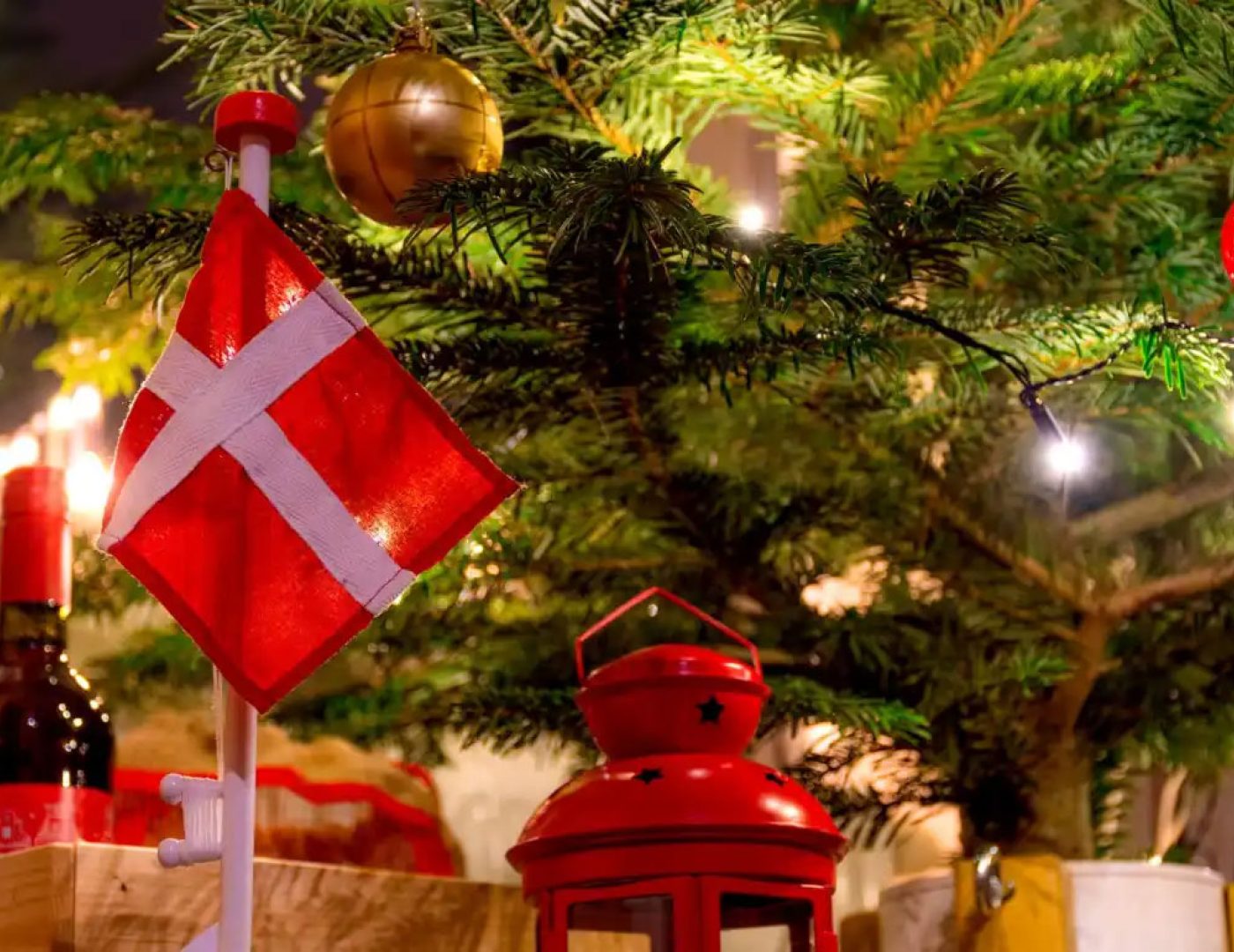
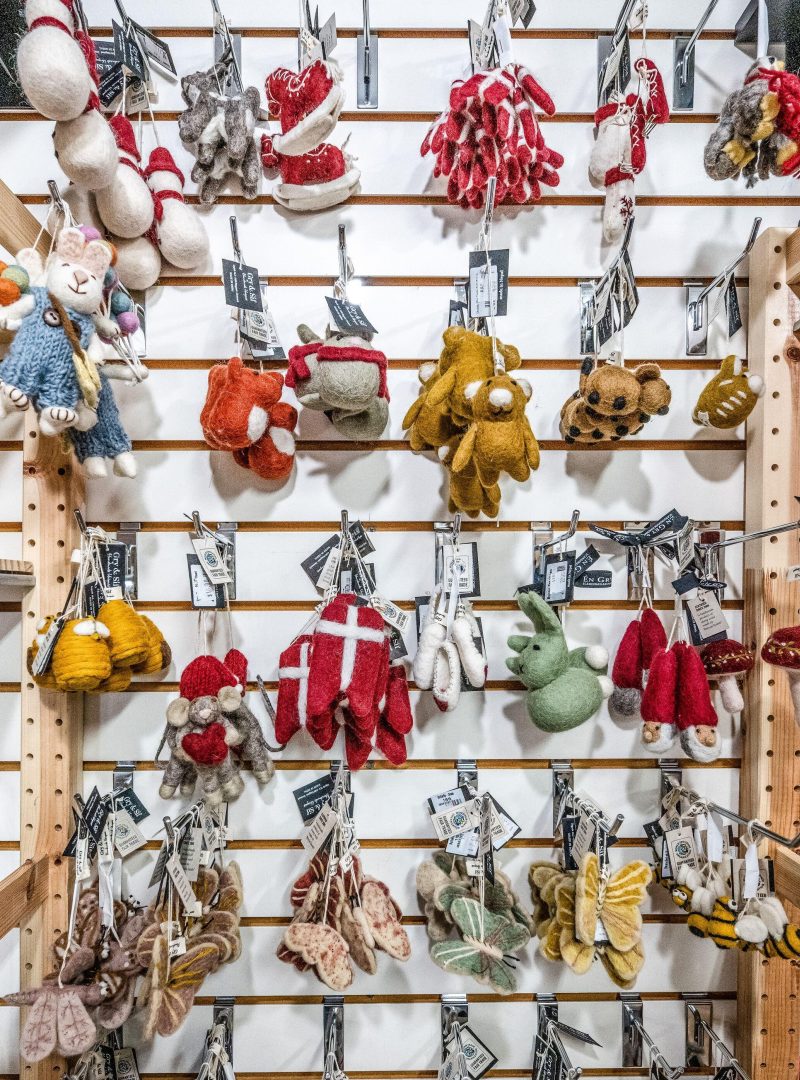
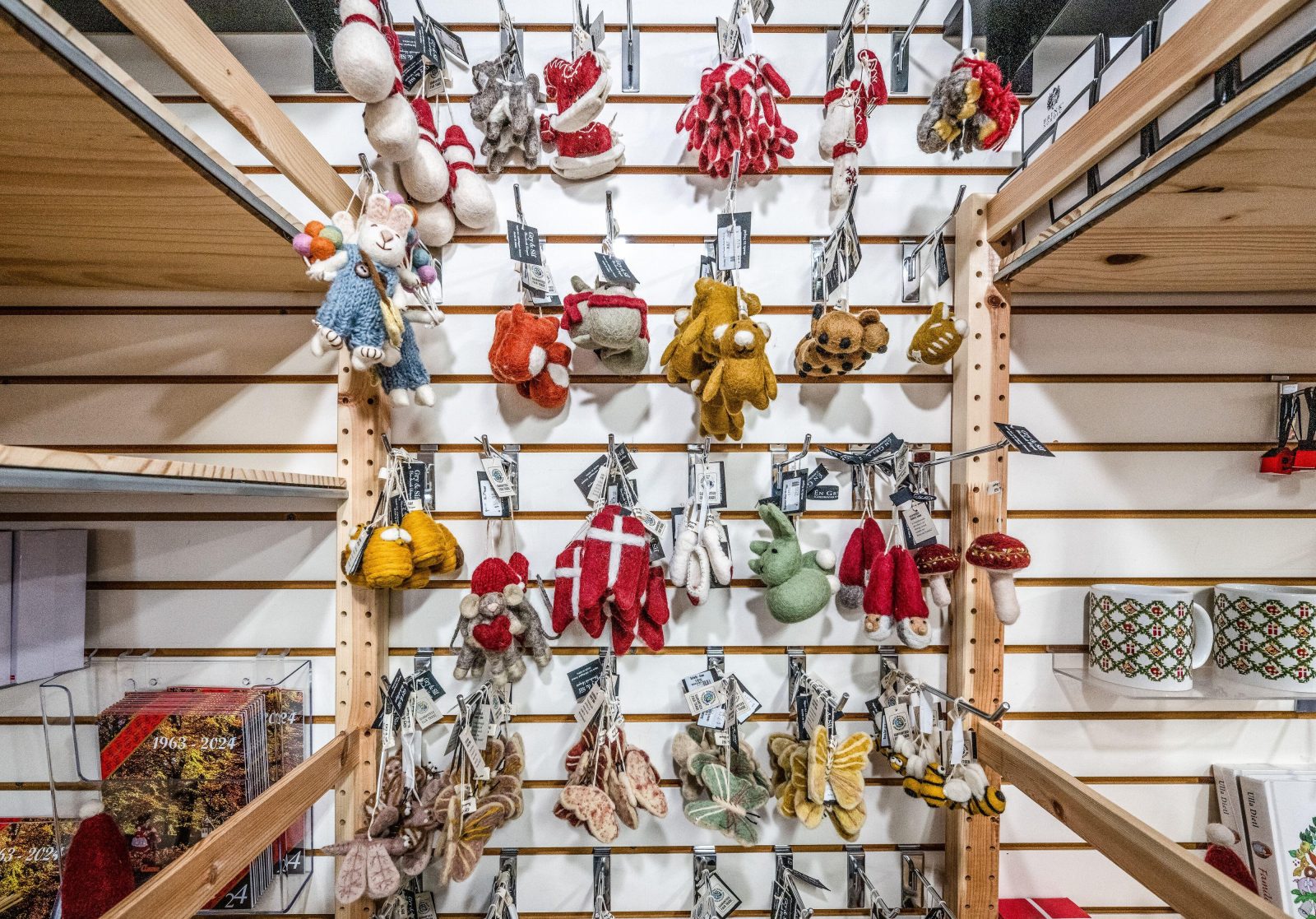
Many Danish Christmas traditions are held in the hand: a paper heart, a candle, a flag garland, a nisse, a tin of cookies, a straw ornament, or a gift chosen because it feels connected to home. On this page, those objects matter because they make culture practical. They are how a story becomes a table, a tree, a shelf, or a yearly habit.
Woven Hearts
The woven Danish heart, or julehjerte, is one of the most beloved ornaments on a Danish Christmas tree. Made by weaving together two pieces of colored paper, it often becomes a small basket filled with candy or treats. More importantly, it becomes a tradition that families make together, one heart at a time.
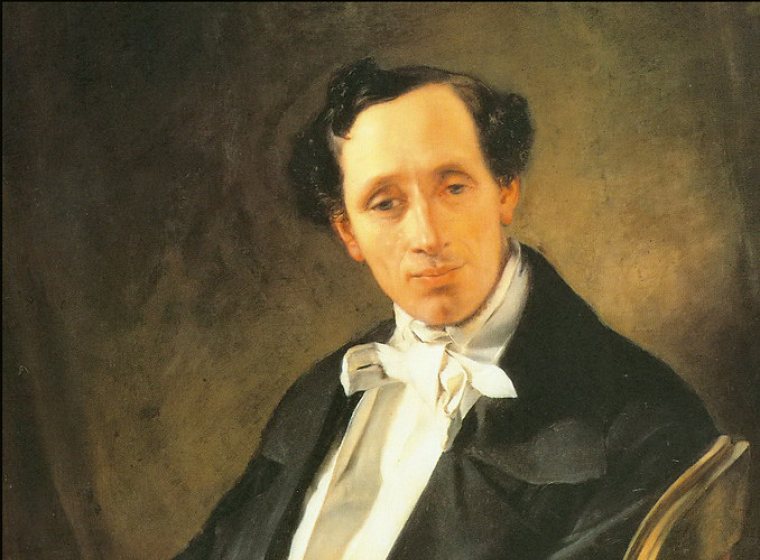
The julehjerte is also closely associated with Hans Christian Andersen, whose paper-cutting and Christmas stories helped shape Denmark's holiday imagination. Whether crafted in a classroom, around the kitchen table, or shared between generations, each woven heart is a reminder that the simplest traditions are often the ones that last the longest.
Featured Page
Meet Denmark's beloved storyteller through fairy tales, travel, imagination, and the Danish-American places that keep his stories close.
Read the story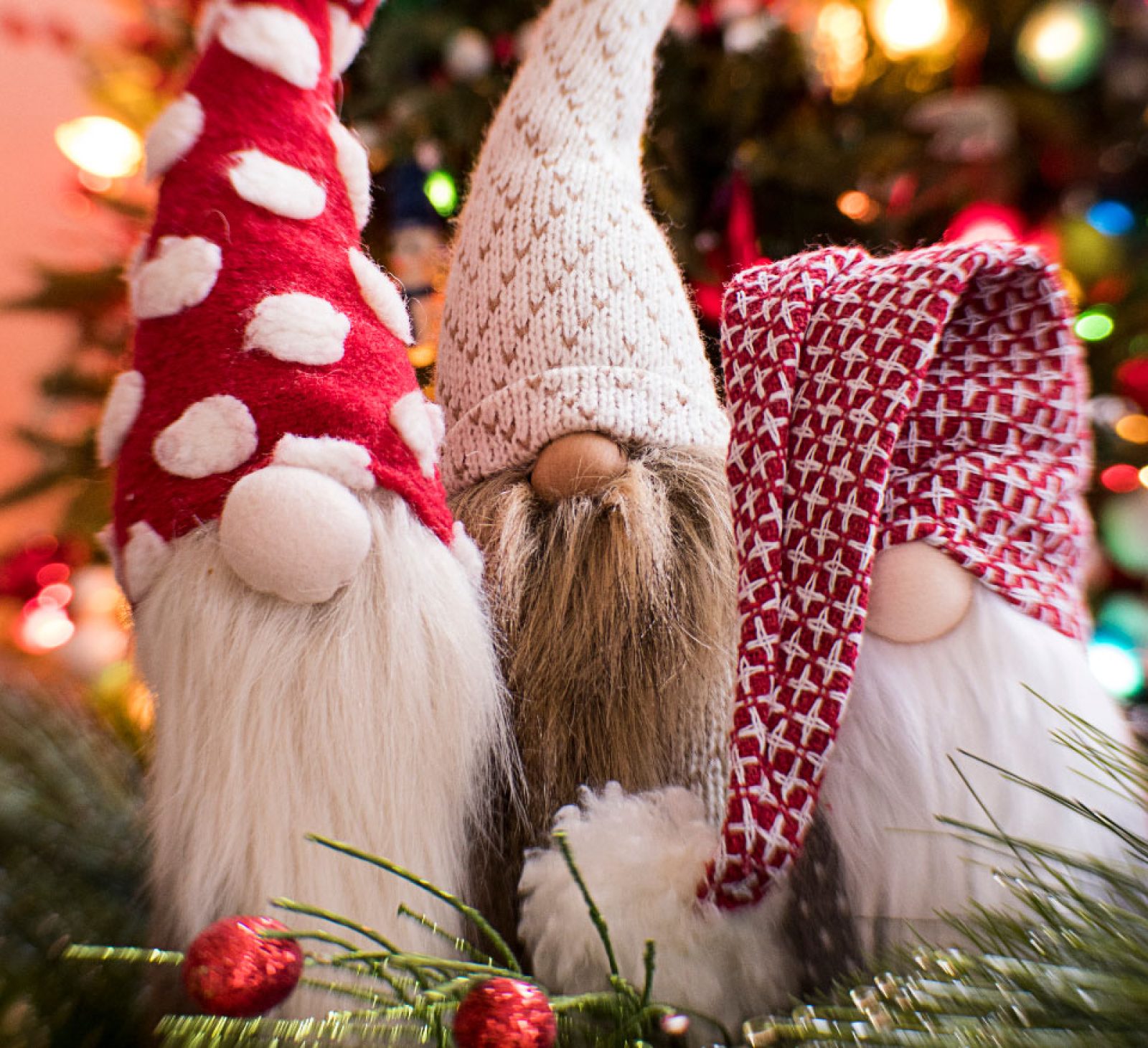
Nisser, Julemanden, and Lucia
Christmas in Denmark is shaped by stories as much as traditions. The nisse, a small figure from Nordic folklore, has watched over homes and farms for centuries. Helpful when treated kindly and mischievous when forgotten, the nisse is traditionally thanked with a bowl of risengrød, warm rice porridge topped with butter, on Christmas Eve.
The season also belongs to Julemanden, who brings gifts on December 24, and to Saint Lucia, whose candlelit procession on December 13 celebrates the return of light during the darkest weeks of winter. Together, these traditions remind us that Danish Christmas has always been about more than decorations and gifts. It is a season where folklore, family, and imagination come together, making the ordinary feel just a little extraordinary.
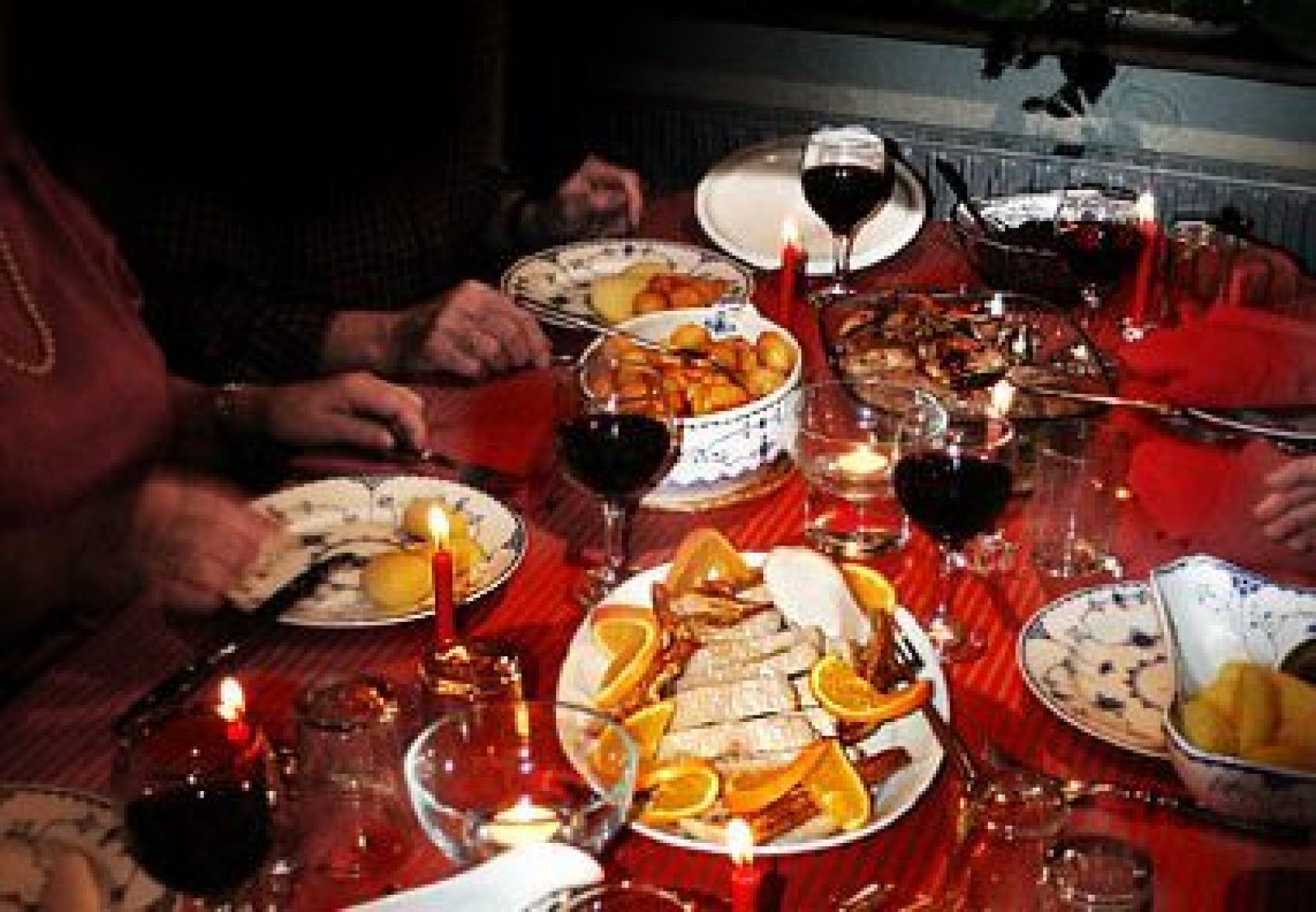
In Denmark, Christmas reaches its heart on the evening of December 24. Families gather around a table filled with familiar dishes, often including roast duck or pork, caramelized potatoes, red cabbage, and rich gravy. The meal ends with risalamande, a creamy rice dessert served with warm cherry sauce. Hidden inside is a single whole almond, and whoever finds it receives the mandelgave, a small gift that brings laughter to the table.
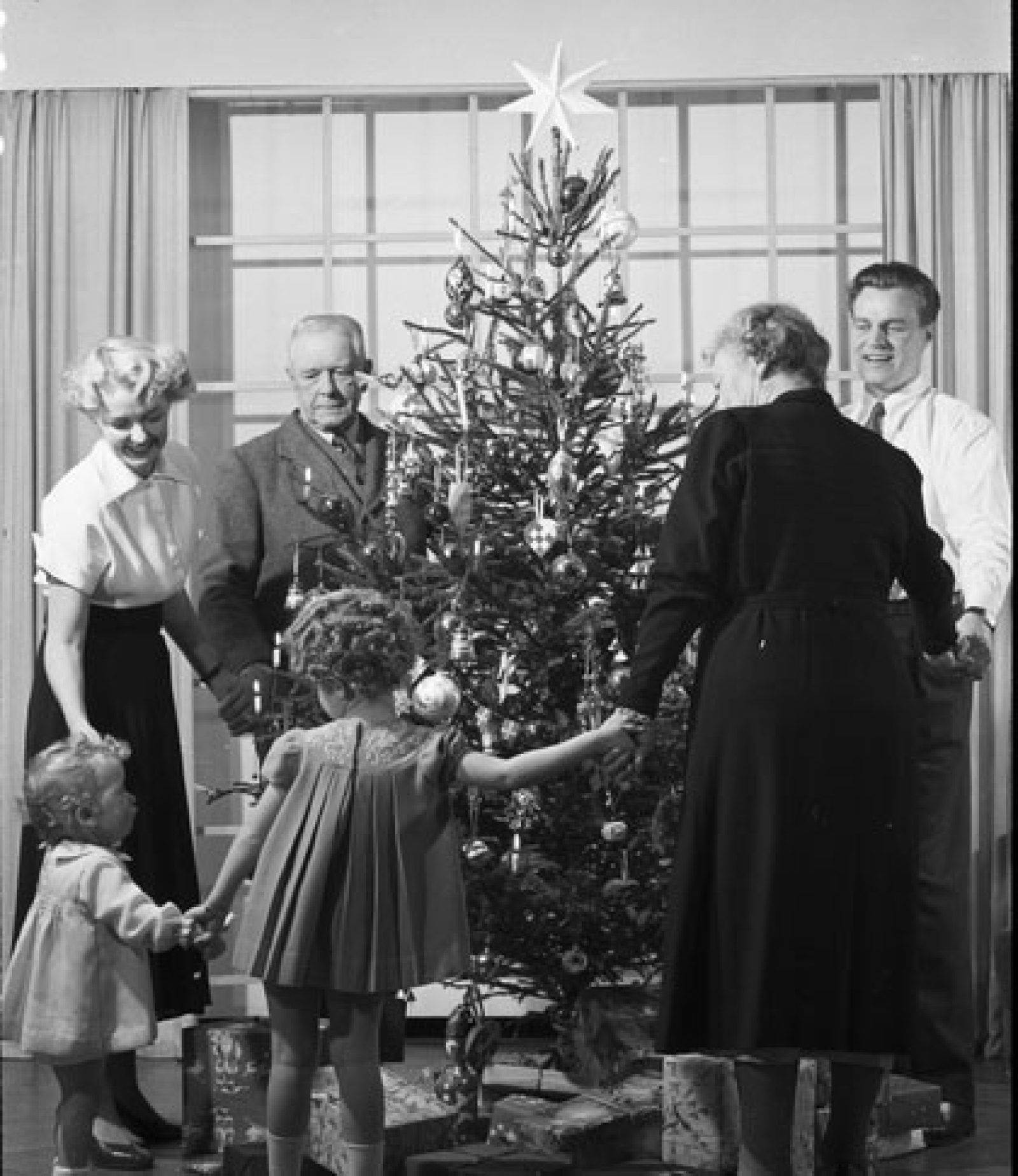
After dinner, everyone gathers around the Christmas tree. Hand in hand, family and friends walk in a circle, singing Christmas songs before the gifts are opened. It's a tradition found in homes across Denmark, one that transforms the tree from a decoration into the center of the celebration. For many Danes, this simple moment, surrounded by music, candlelight, and the people they love, is what Christmas is all about.
From Denmark to the Danish Villages
Christmas traditions are meant to be shared, and Julefest brings them into the heart of the Danish Villages. Streets glow with lights, familiar songs fill the air, families gather for seasonal treats, and local shops welcome visitors searching for gifts with a Danish touch. For one weekend, the traditions of Denmark become part of everyday life in Elk Horn and Kimballton.
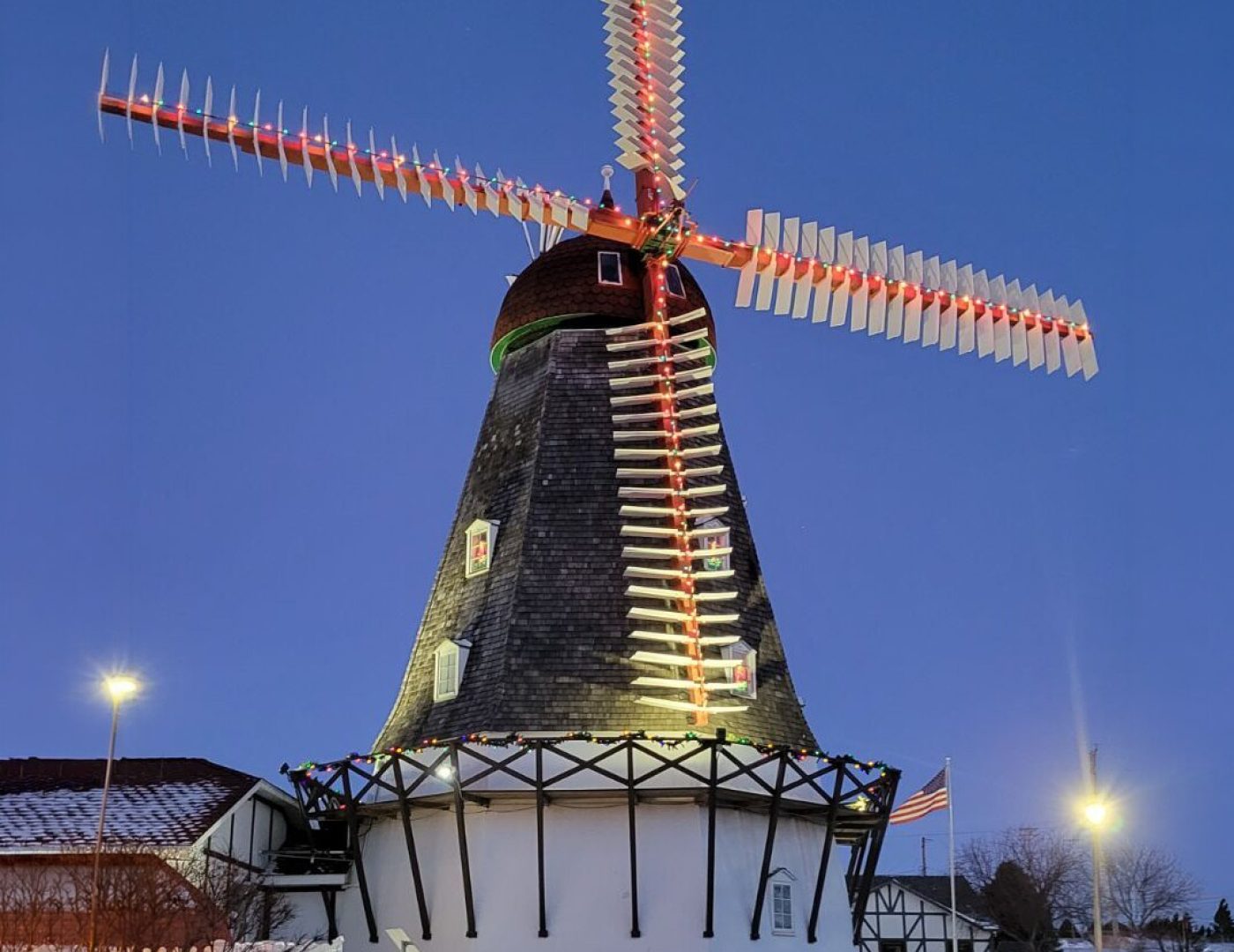
At the center of it all stands the Danish Windmill, a reminder that these customs are more than holiday celebrations. They are a living connection between Denmark and the Danish Villages, carried forward each December by the people who continue to gather, celebrate, and share them with others.