Featured
Danish Heritage in Motion
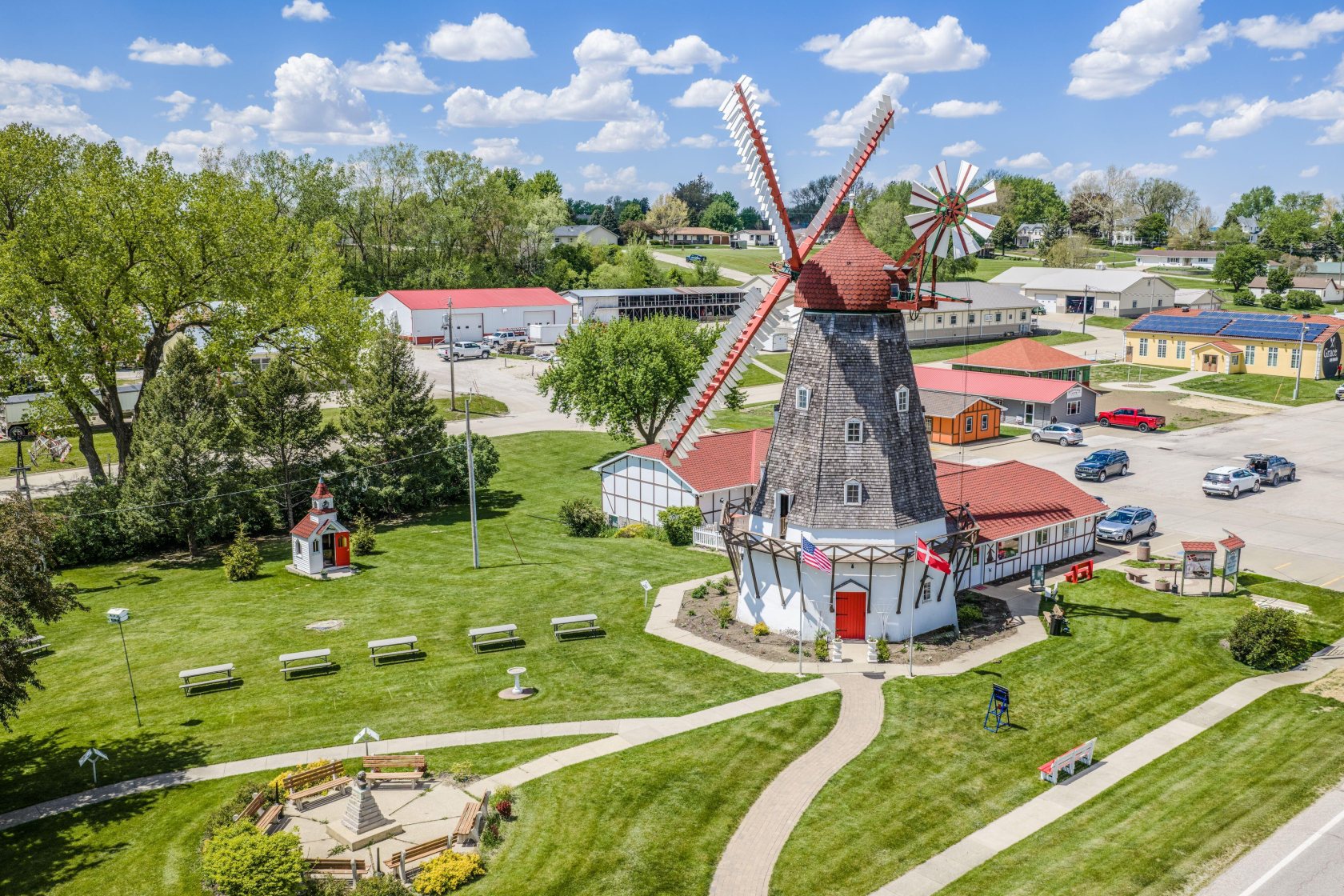
Explore the working windmill, Danish immigrant history, and living traditions that continue in Elk Horn today.
Stay up to date with the mill, stories, food, holidays, craft, and community. Let's stay in touch!
Join Our Mailing ListYour Path Begins Here
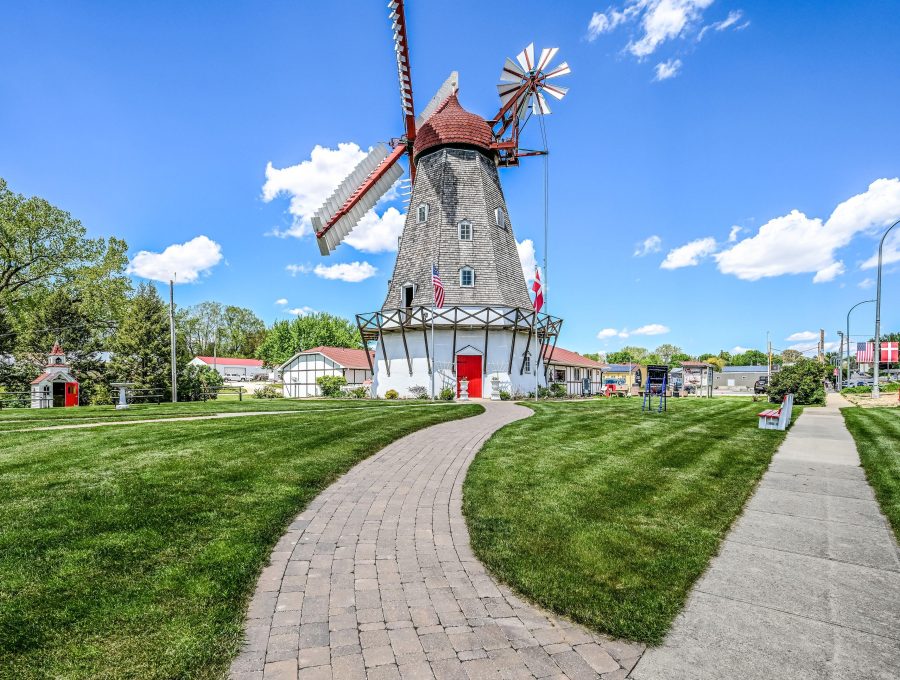
Follow the 1848 mill from Denmark to Iowa and see why this working landmark still anchors the story.
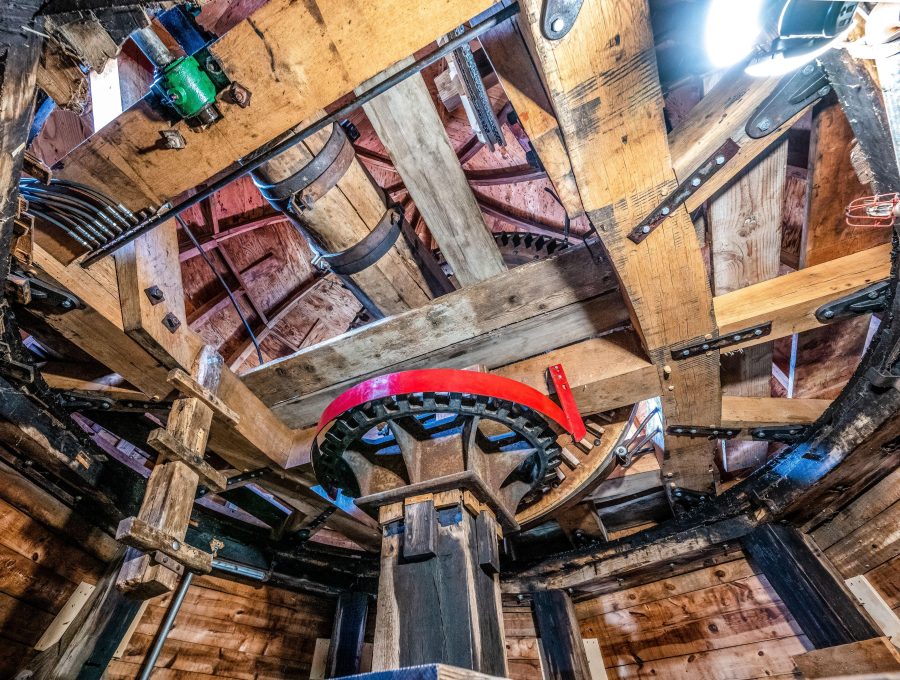
Follow the sails, gears, millstones, and rooms that help a working Danish mill turn wind into flour.
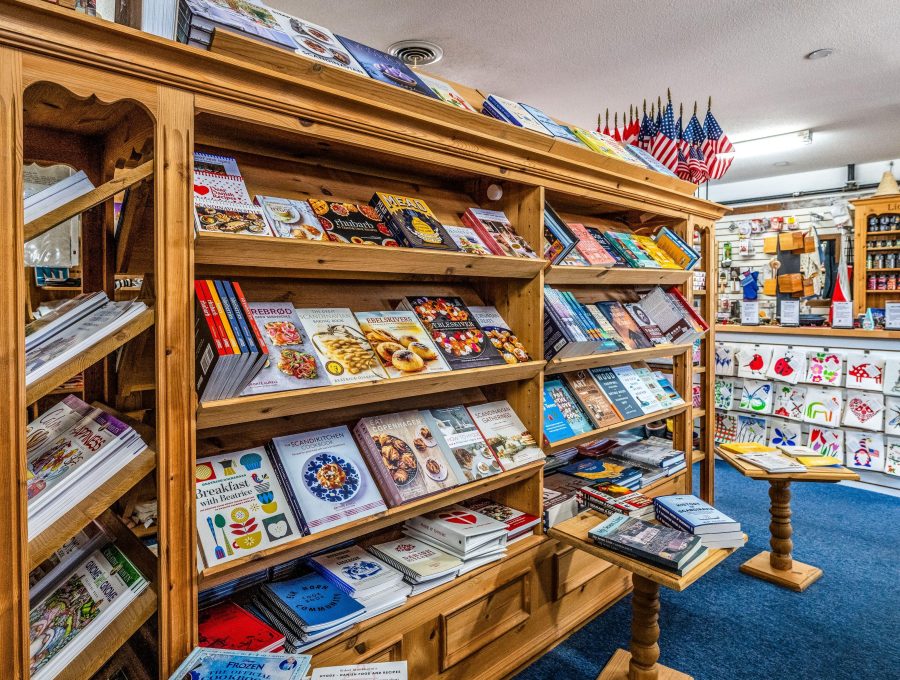
Explore stories, foodways, holidays, folklore, and everyday customs that connect Elk Horn to Denmark.
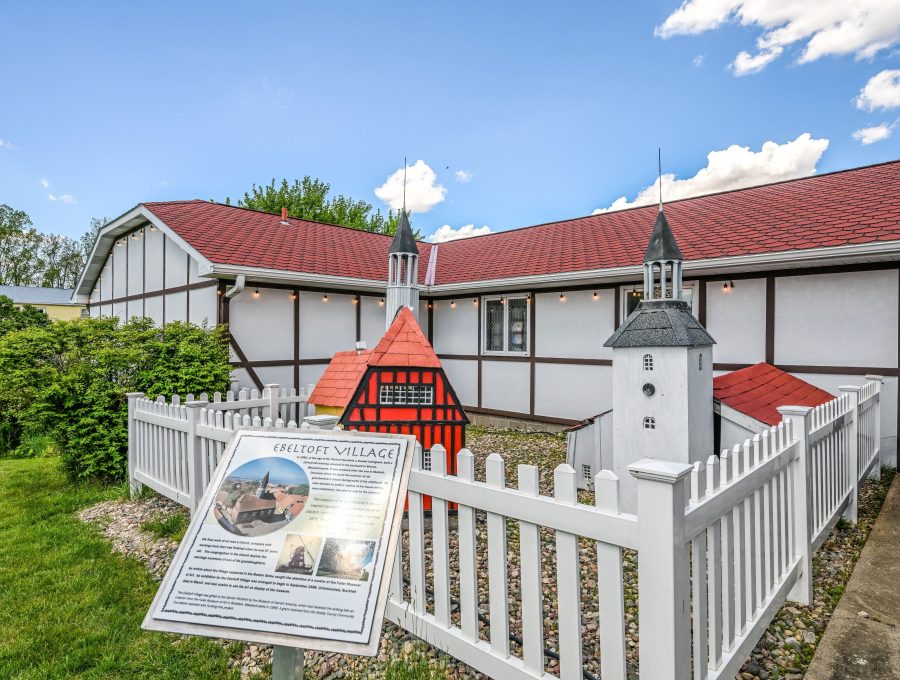
Plan time beyond the mill with Danish-American landmarks throughout Elk Horn and Kimballton.
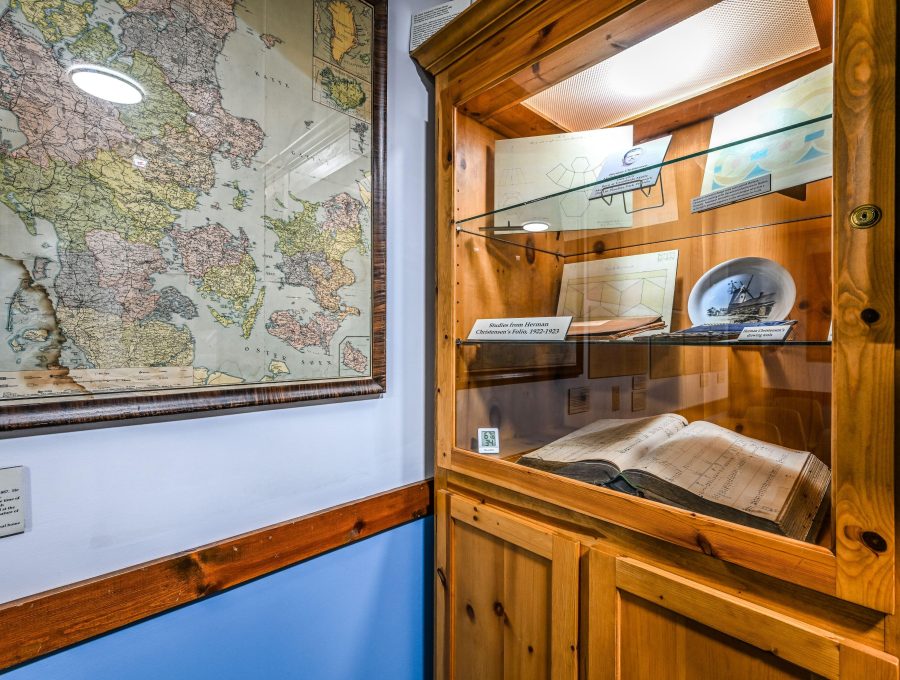
Browse publications, restoration updates, exhibits, photographs, and stories from the community.
A working landmark
The Danish Windmill isn't frozen in the past. It was built to work, and it still demonstrates the remarkable engineering that once powered communities across Denmark. Every turning sail and every moving gear offers a chance to understand history through motion instead of imagination.

That same story continues beyond the mill itself. Danish traditions live on in holiday celebrations, handmade crafts, familiar foods, village landmarks, and the photographs that preserve the people who carried their heritage across the Atlantic. Here, history isn't something you simply read about. It's something you can experience.
The 1848 Windmill
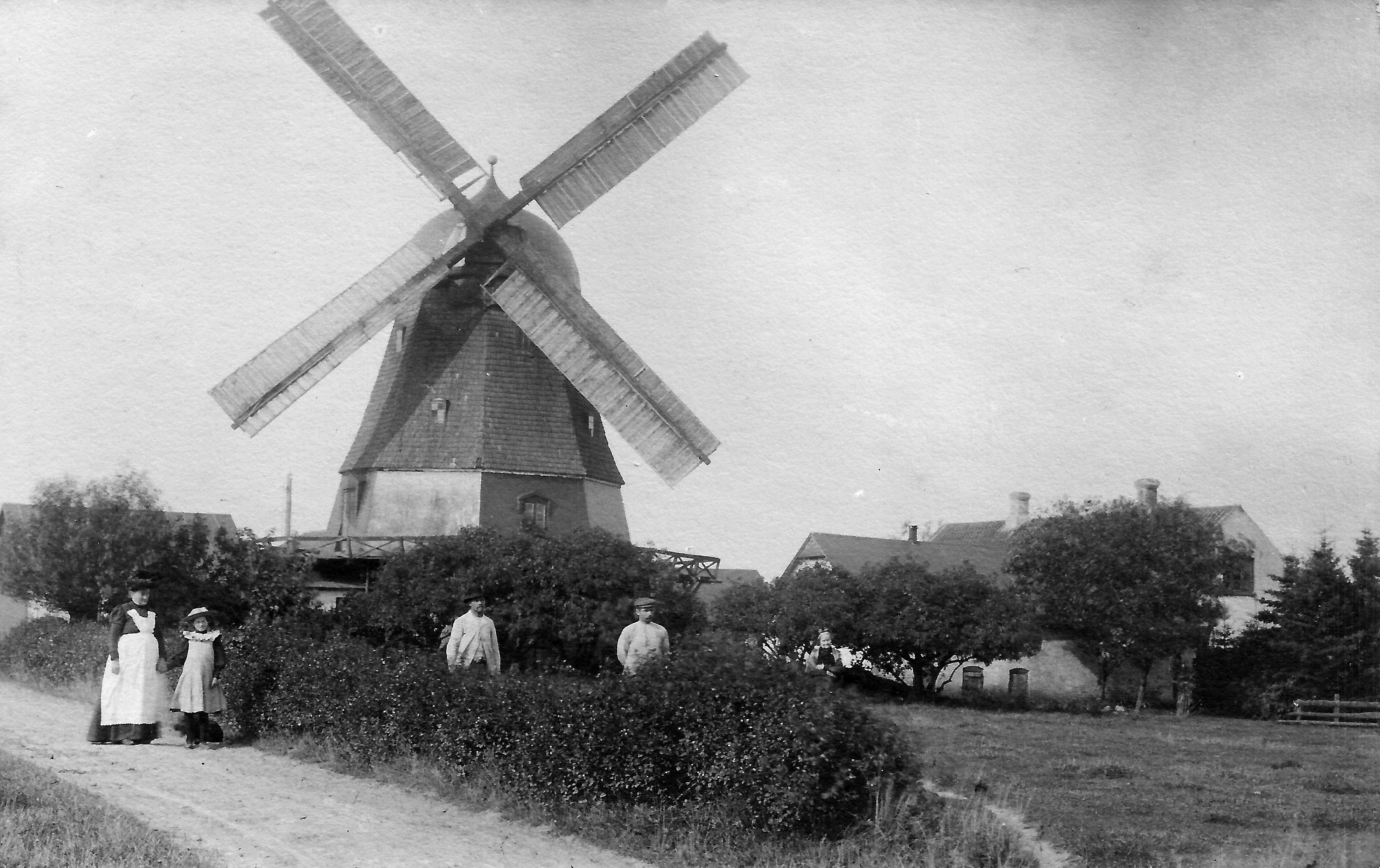
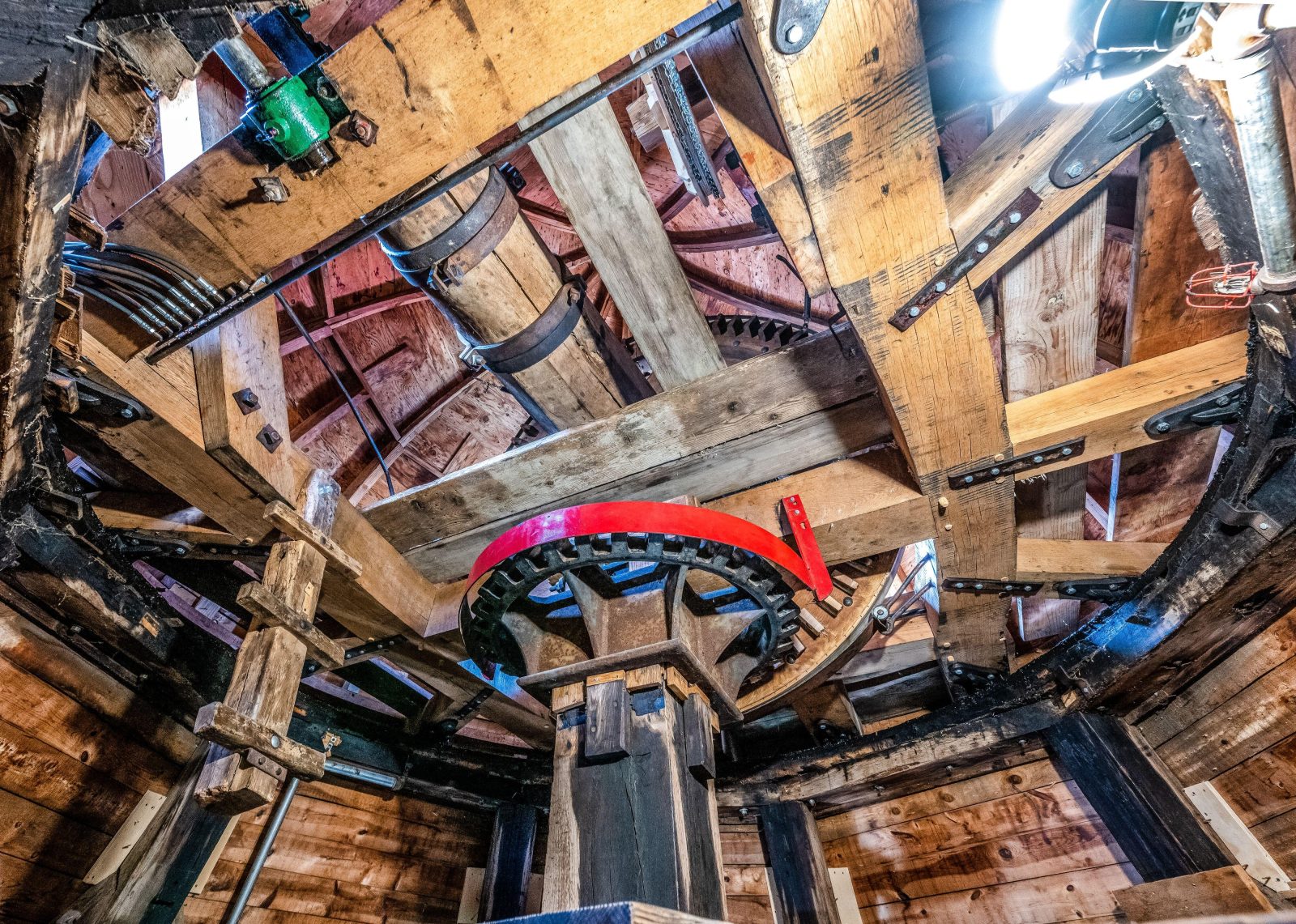
Every story at the Danish Windmill begins here. Built in Denmark in 1848, the mill crossed an ocean before being carefully rebuilt in Elk Horn by volunteers determined to preserve a remarkable piece of their heritage. Today, it remains a working machine that reveals how generations transformed the power of the wind into everyday life.
Walk through its timber-framed interior, watch the machinery come alive, and discover a place that continues to teach through movement. Every beam, gear, and millstone reflects the knowledge, craftsmanship, and care that have kept this Windmill turning for nearly two centuries.
Follow the mill from its original home in Denmark to its reconstruction in Elk Horn.
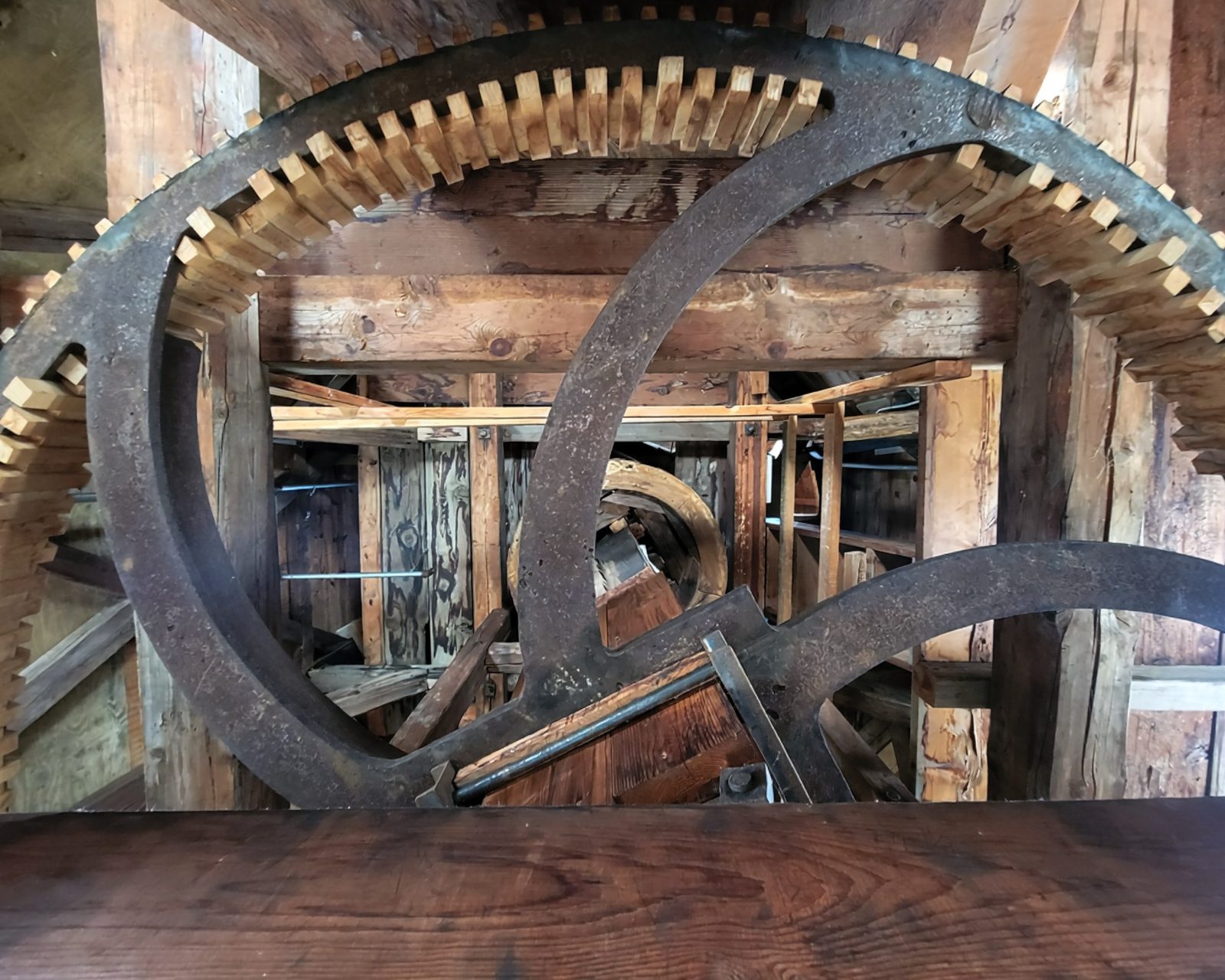
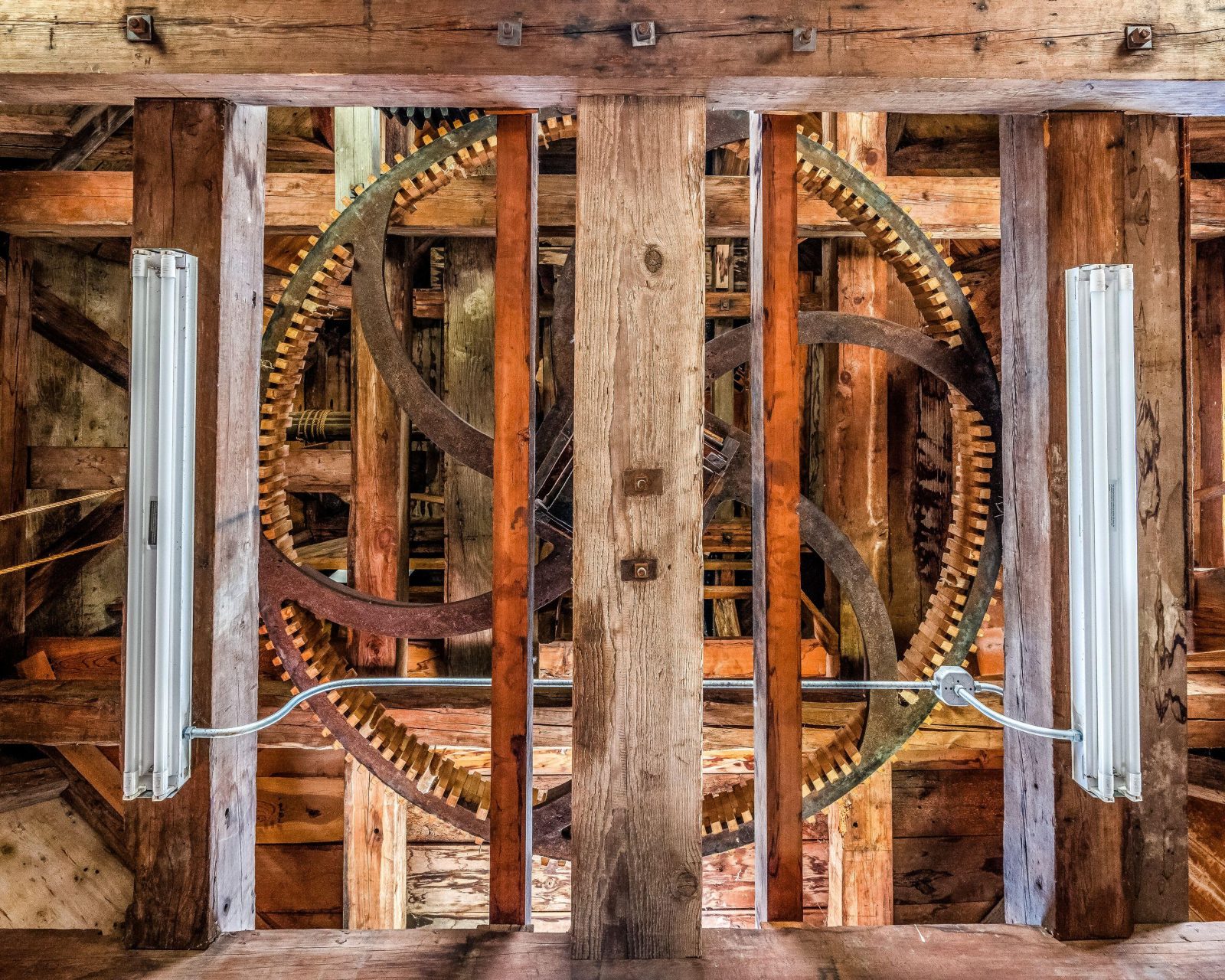
Learn how the sails, gears, millstones, and working rooms fit together.
Connect historic wind power to modern questions about energy, landscape, and use.
Culture and Traditions
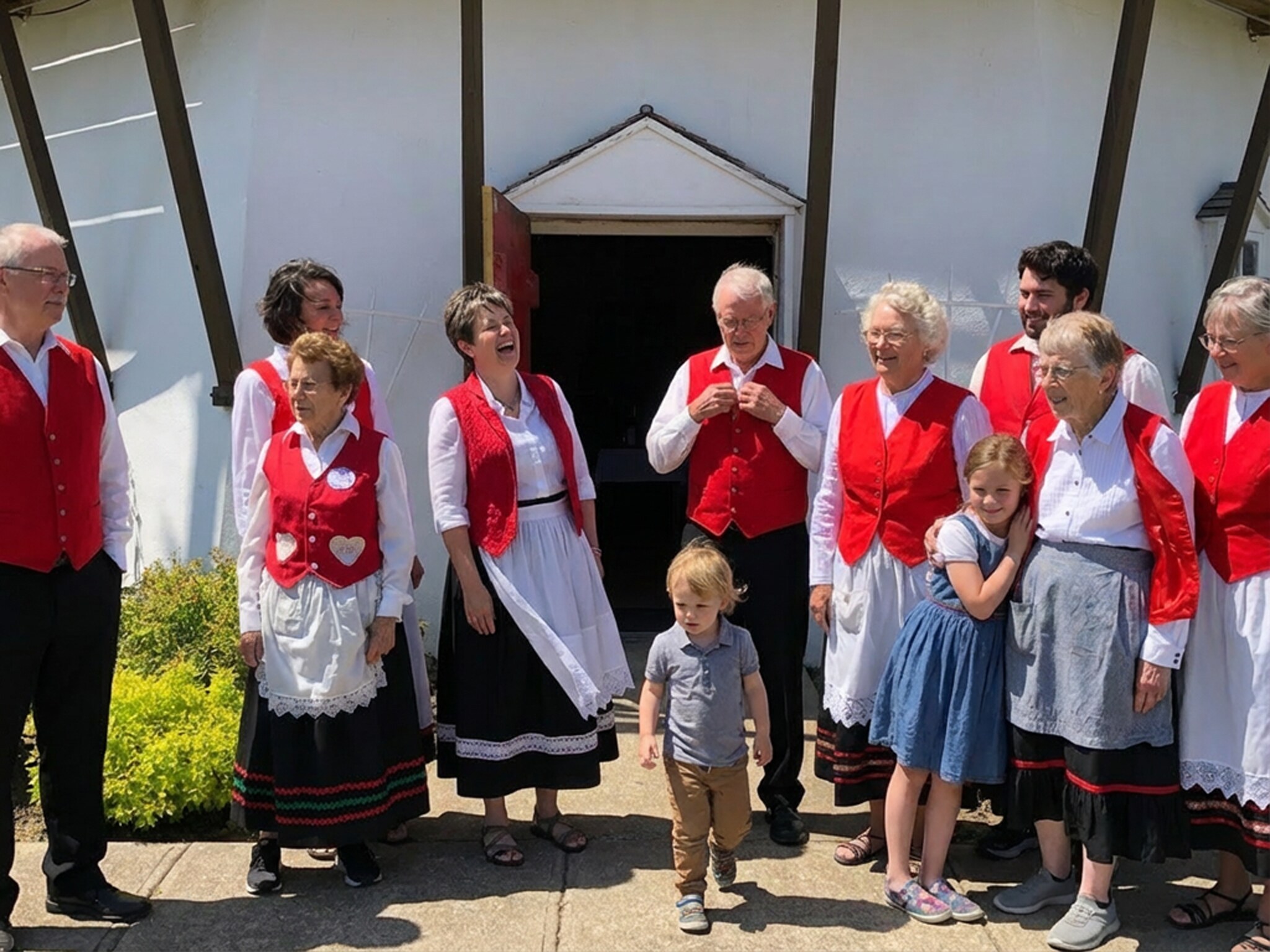
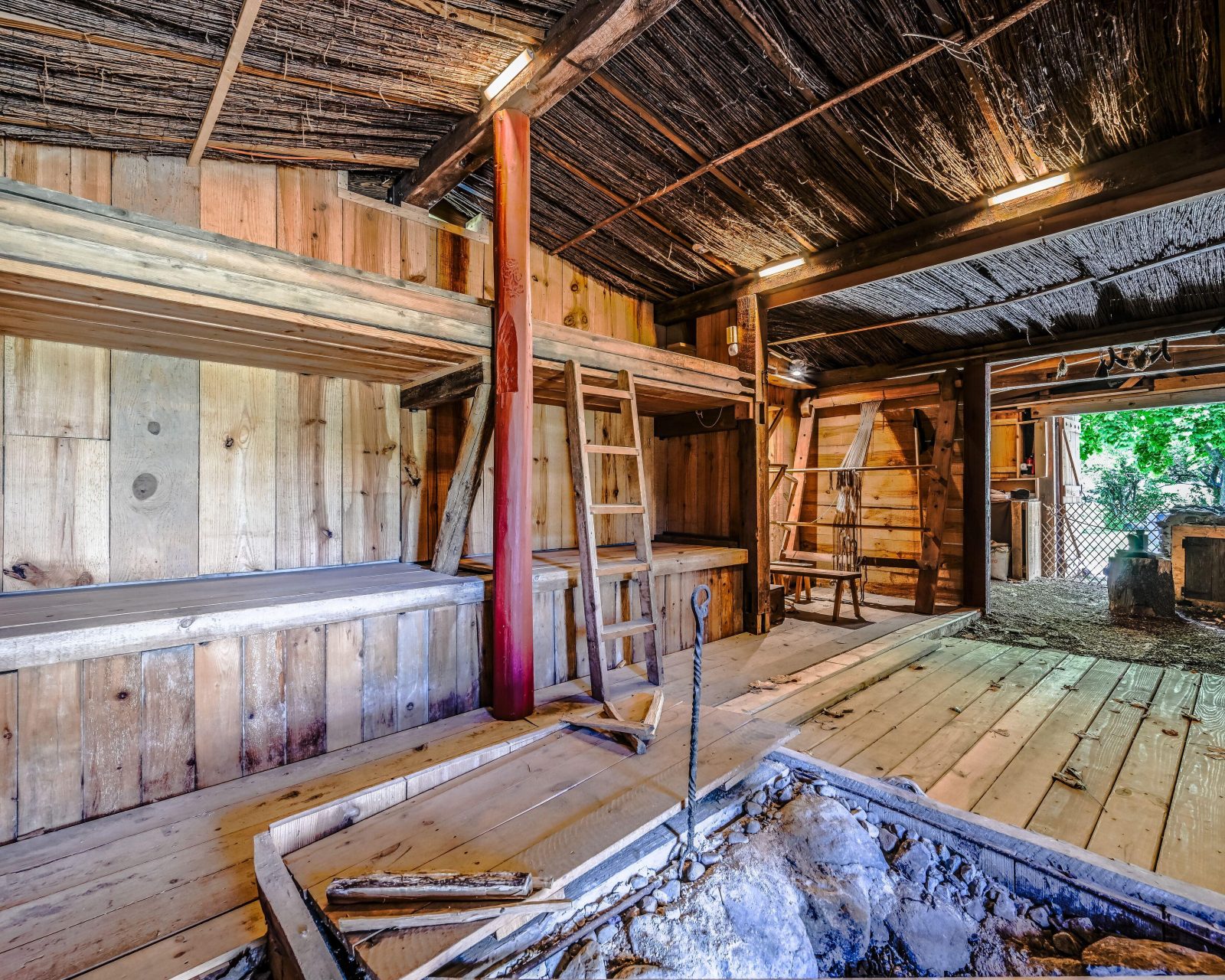
Danish culture is carried through the traditions people return to year after year. Holiday celebrations, familiar foods, family stories, handmade decorations, treasured heirlooms, and simple customs all help preserve a connection that stretches across generations. In the Danish Villages, those traditions continue to shape community life, inviting visitors to experience Danish culture not as history alone, but as something still shared today.
The beloved Danish storyteller gives visitors a familiar doorway into imagination, childhood, and Denmark's literary heritage.
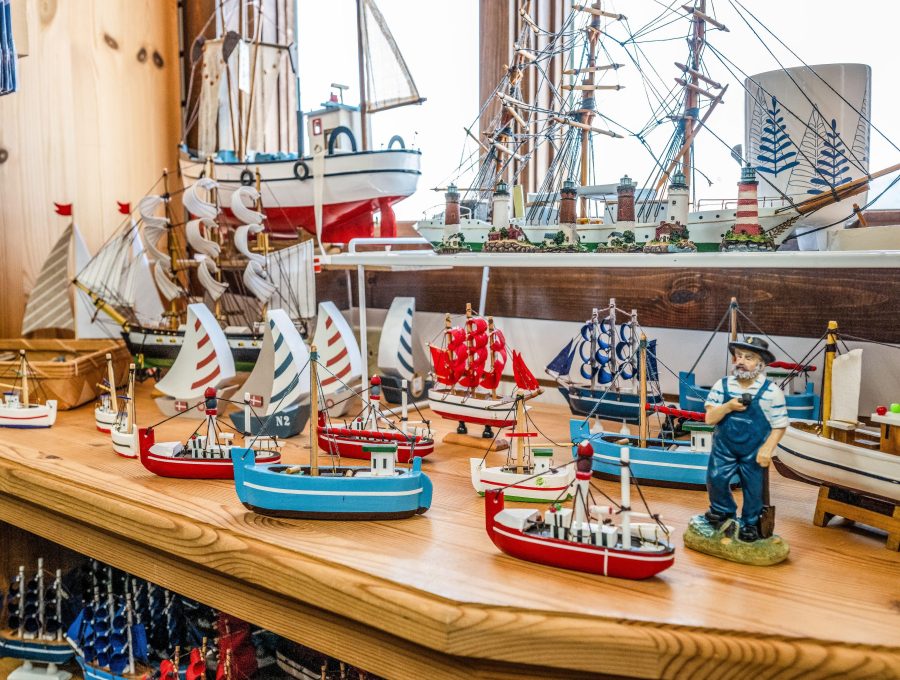
A model ship in a church carries memory, faith, seafaring life, and the Danish connection to the sea.
Royal legend and song show how stories preserve values, loss, and memory across generations.
A simple handmade heart connects Christmas, craft, color, and Danish family tradition.
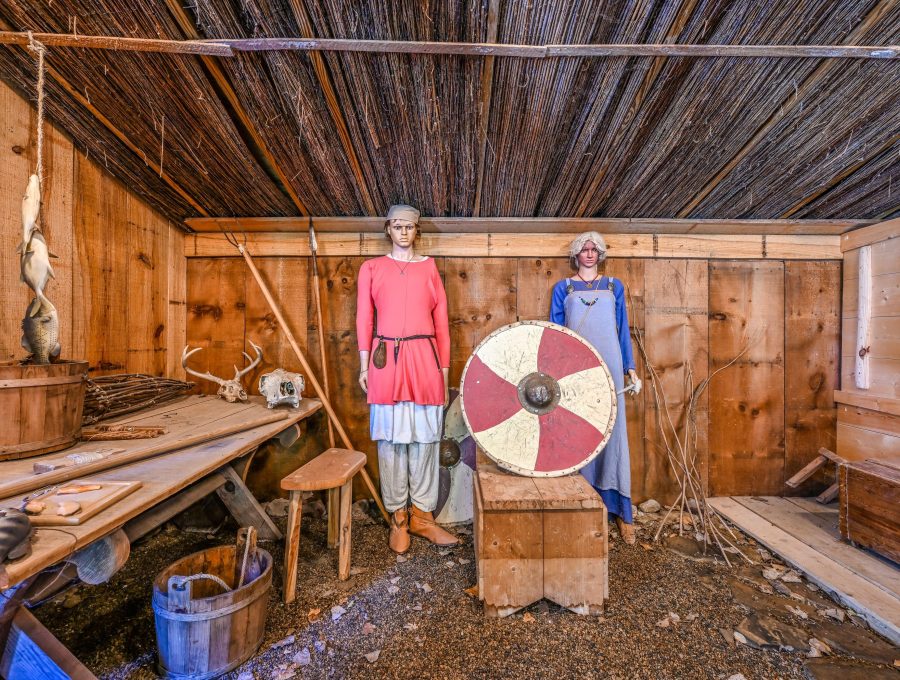
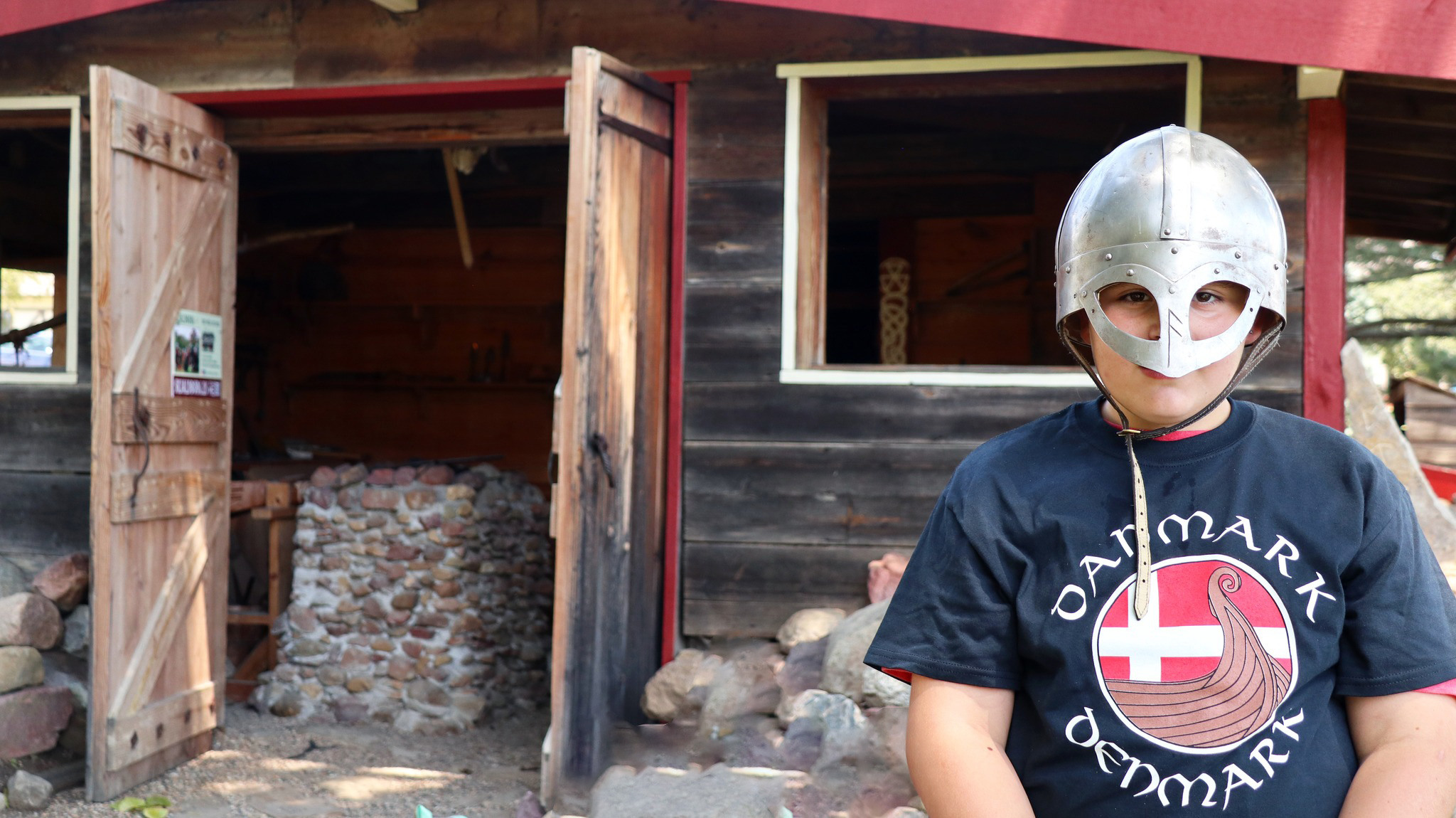
Viking history is one doorway into Scandinavia, exploration, craft, and story, but it is only one part of Danish heritage.
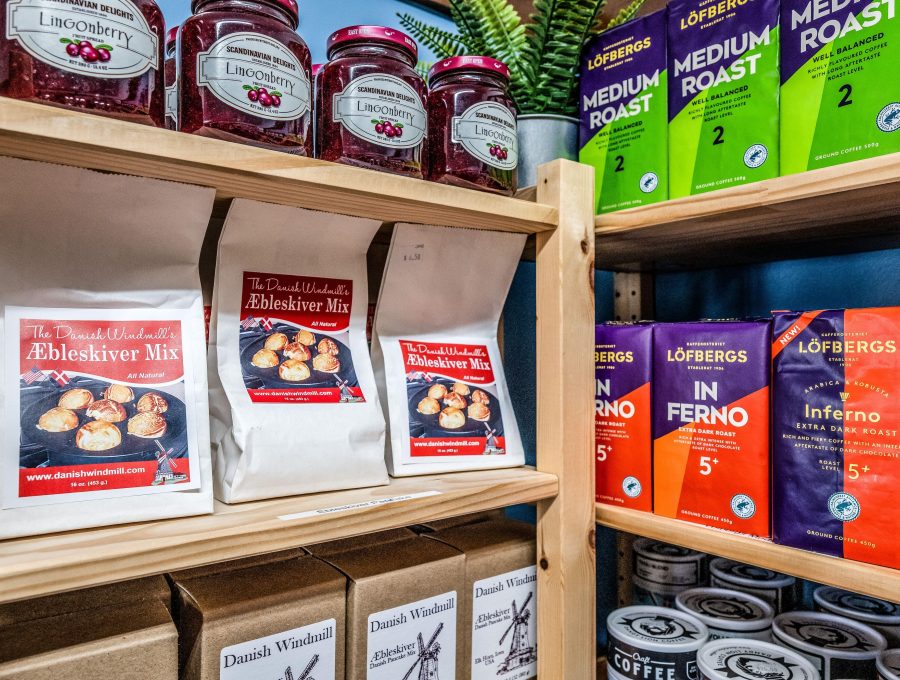
Food, hospitality, comfort, and gathering make Danish culture social, seasonal, and shared.
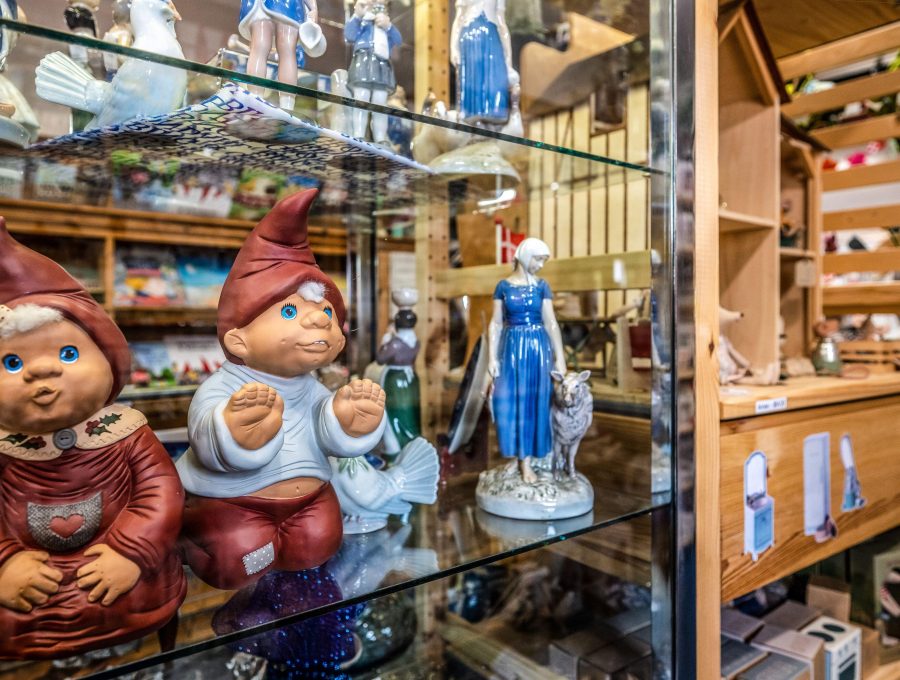
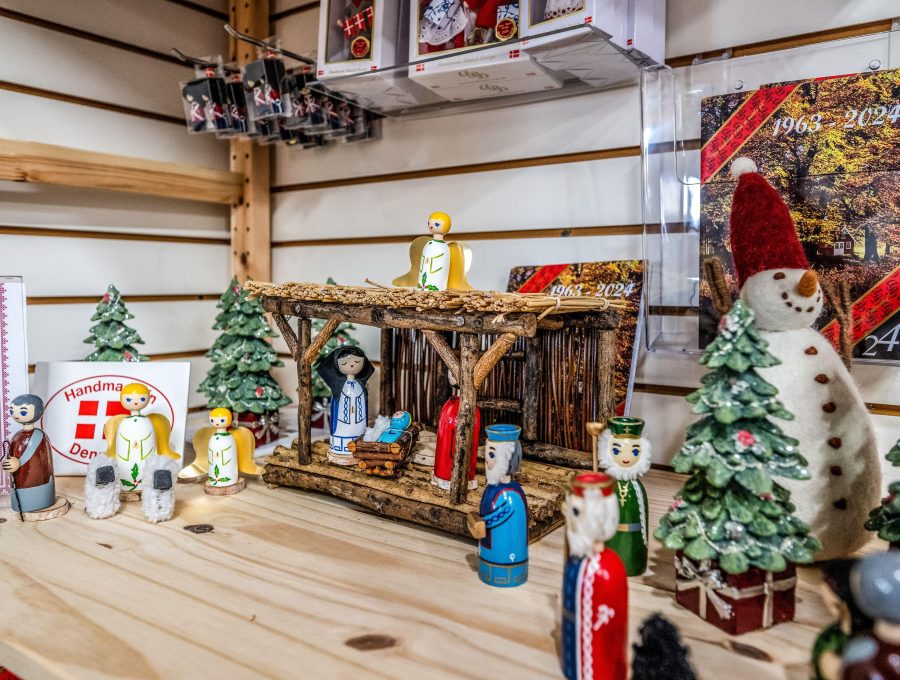
Christmas, woven hearts, nisser, and Julefest connect Danish tradition to one of Elk Horn's strongest seasonal celebrations.
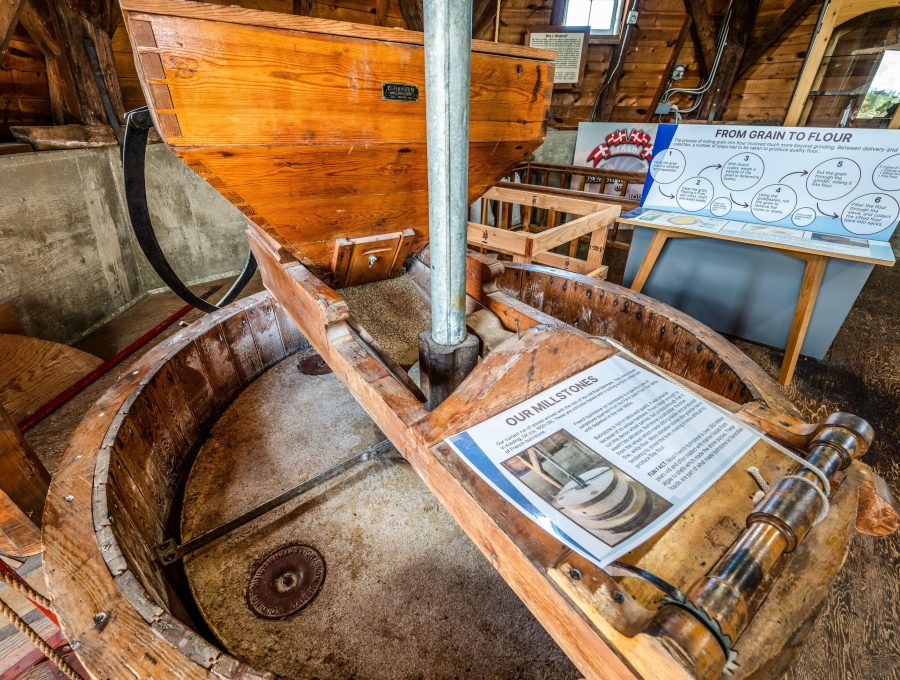
The Windmill connects older wind power to contemporary questions about energy and the Iowa landscape.
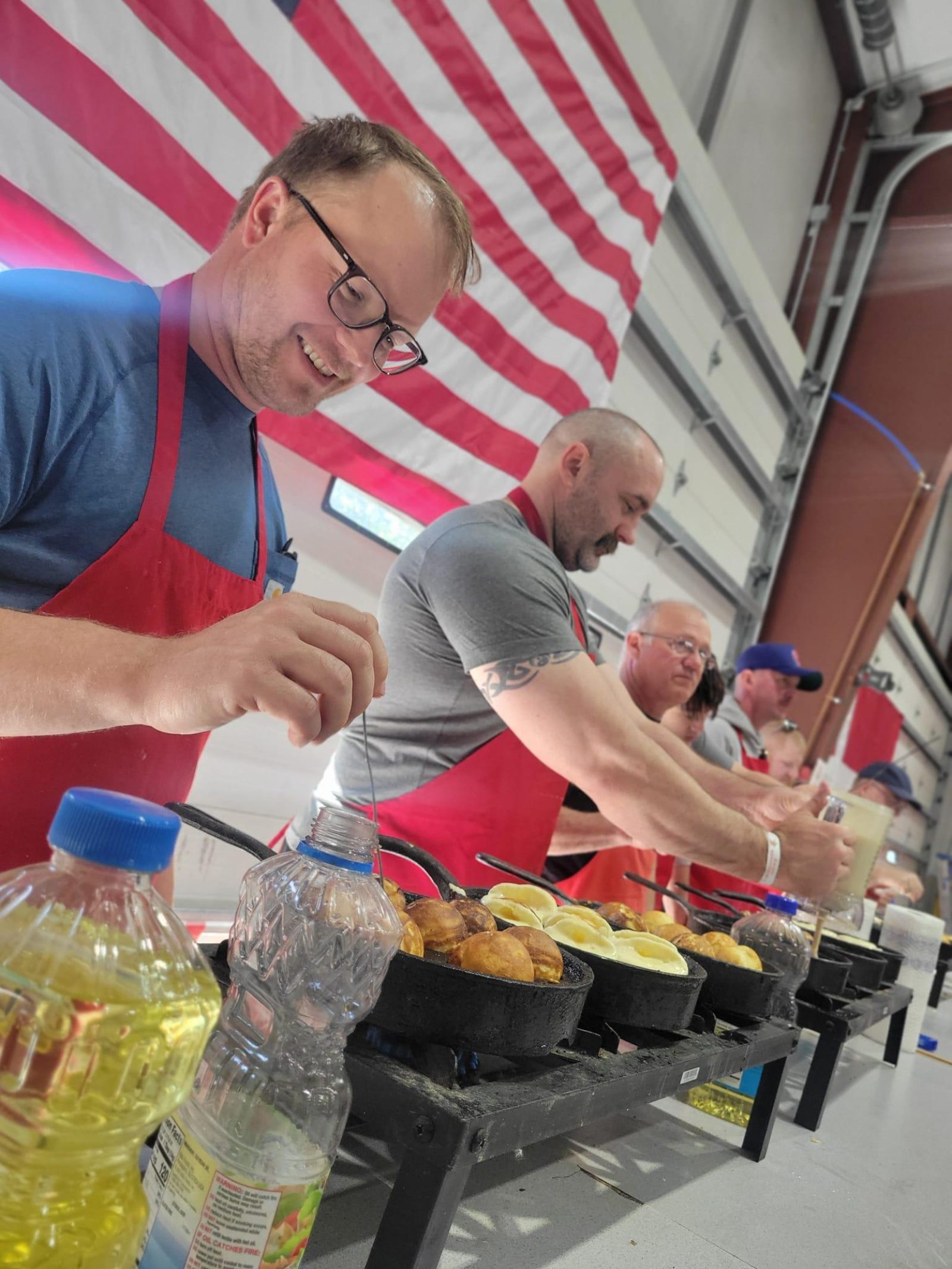
Food, Holidays, and Gathering
Some traditions are best understood by experiencing them. A warm plate of æbleskiver, music drifting through the village, Christmas lights glowing in December, or neighbors gathering for a summer festival all reveal something about Danish culture that words alone cannot.
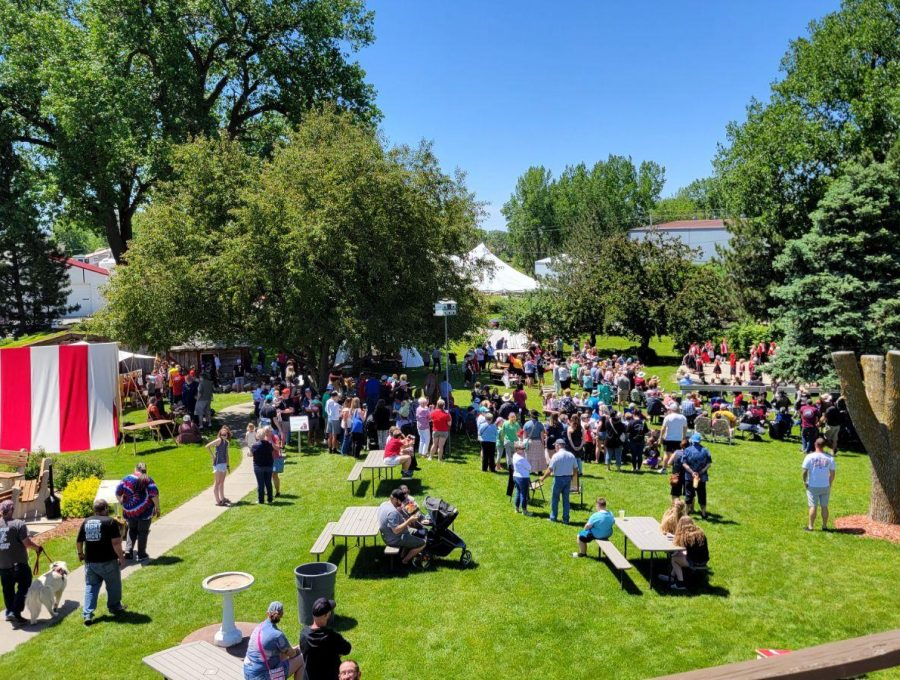
Throughout the year, the Danish Villages invite visitors to take part in those traditions. Julefest celebrates the warmth and wonder of a Danish Christmas, while Tivoli Fest fills the streets with music, food, dancing, and community. Together, they show that Danish heritage is not only remembered. It is still celebrated.
The Danish Villages
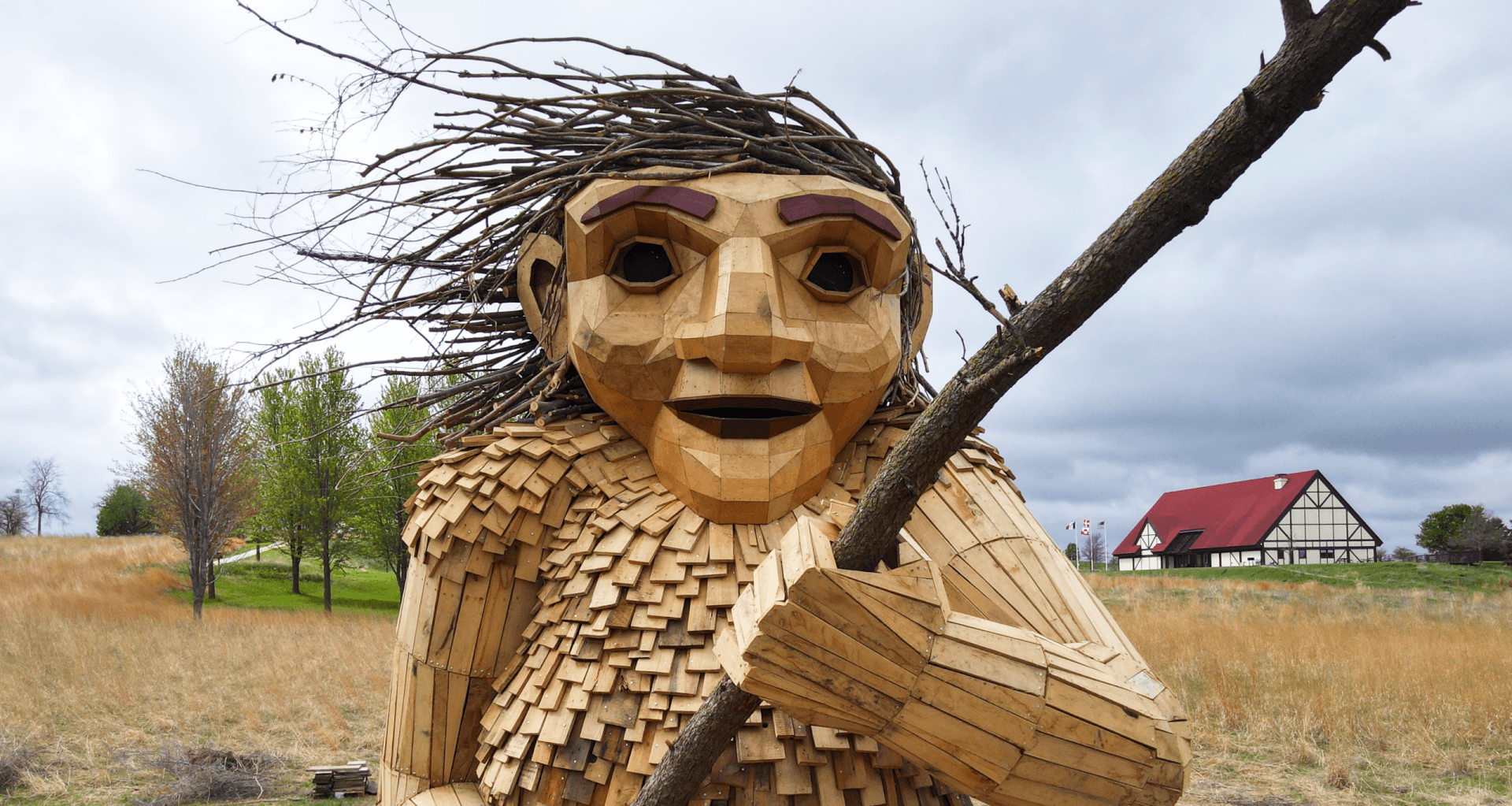
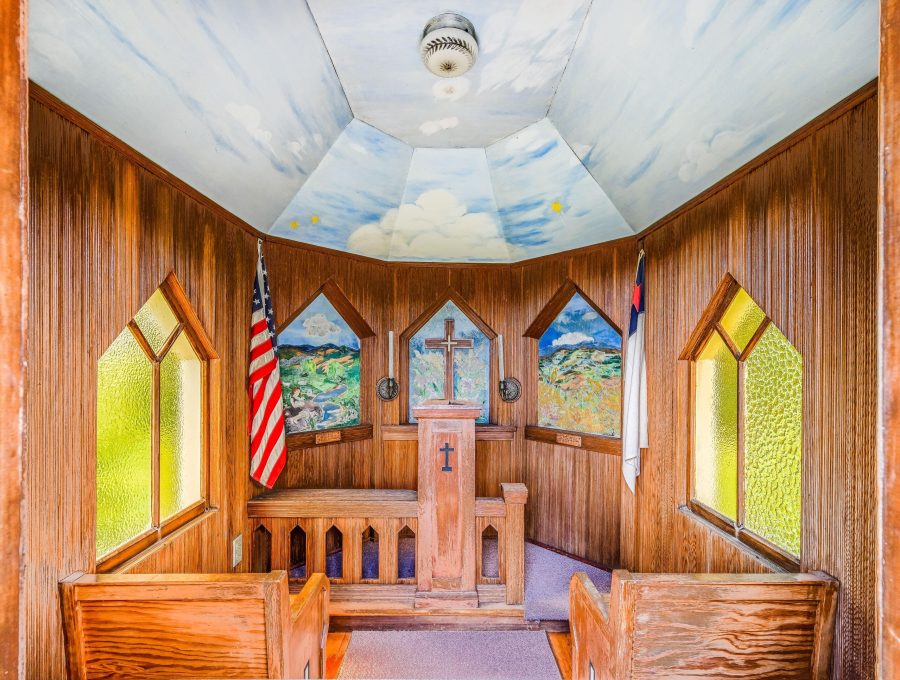
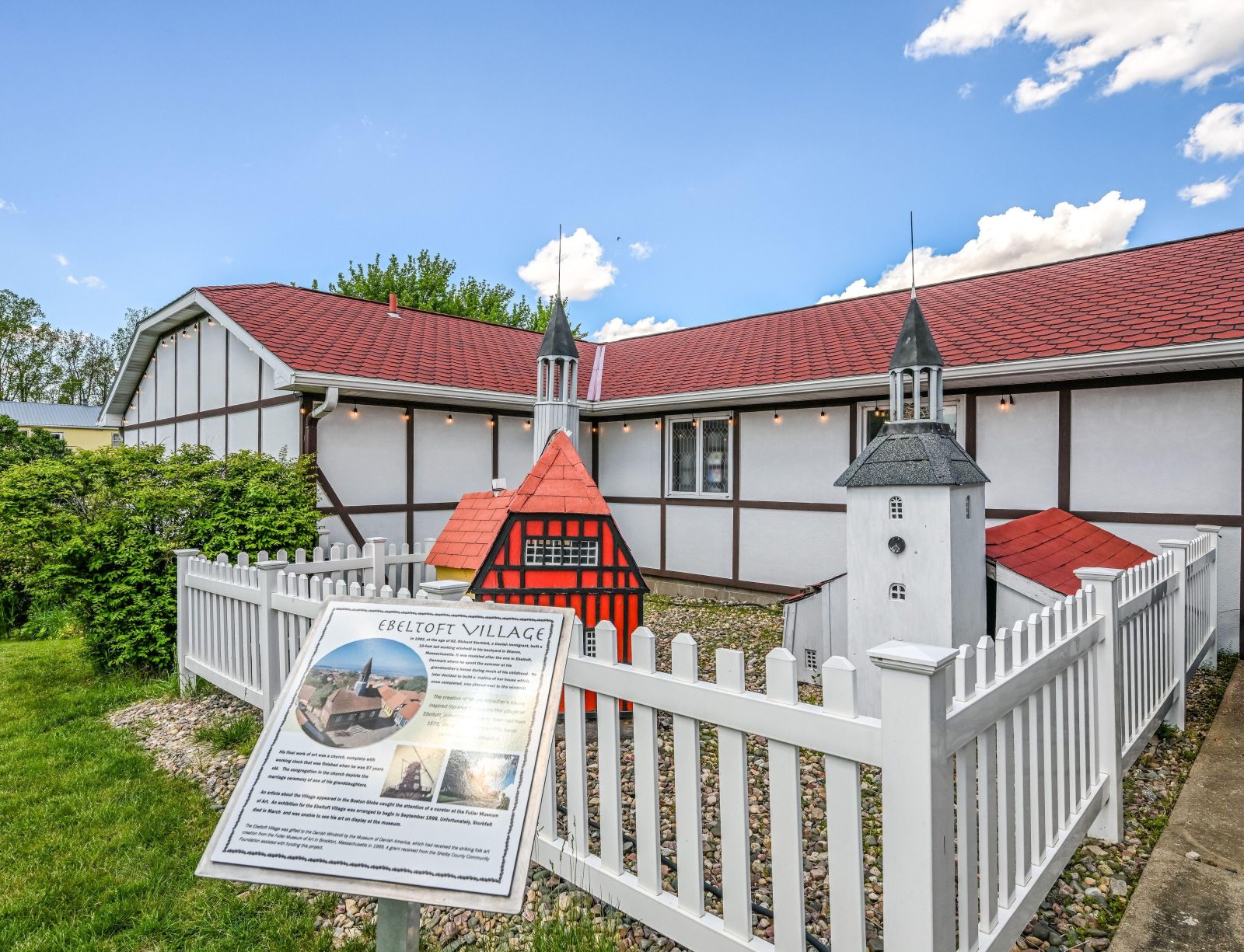
The Danish Windmill is just one chapter in a much larger story. Throughout Elk Horn and Kimballton, museums, historic buildings, VikingHjem, Morning Star Chapel, Ebeltoft Village, local shops, festivals, and gathering places reveal how Danish traditions have taken root in western Iowa. Together, they create one of the most complete Danish-American cultural destinations in North America, inviting visitors to experience a heritage that is still lived, celebrated, and shared.
From the Archives
Every photograph, newsletter, blueprint, letter, and exhibit panel adds another piece to the Danish Windmill's story. Together, these collections preserve the people, milestones, and everyday moments that transformed a working windmill into a lasting symbol of Danish-American heritage. As the archive continues to grow, it ensures today's memories become tomorrow's history.
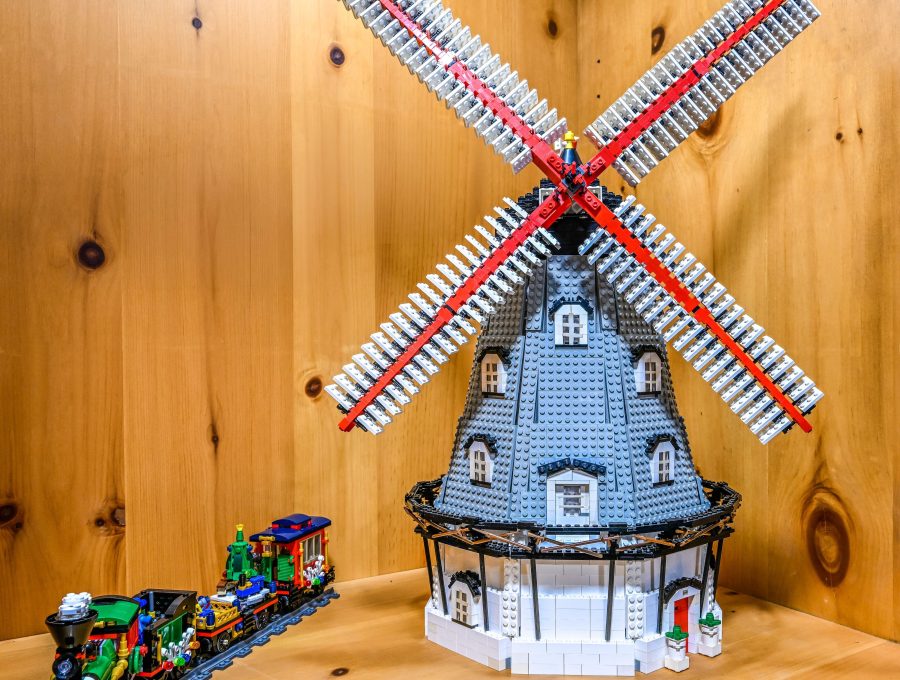
Longer publication history and organizational storytelling from the Danish Windmill community.
Preservation updates show the specialized work behind keeping the mill turning.
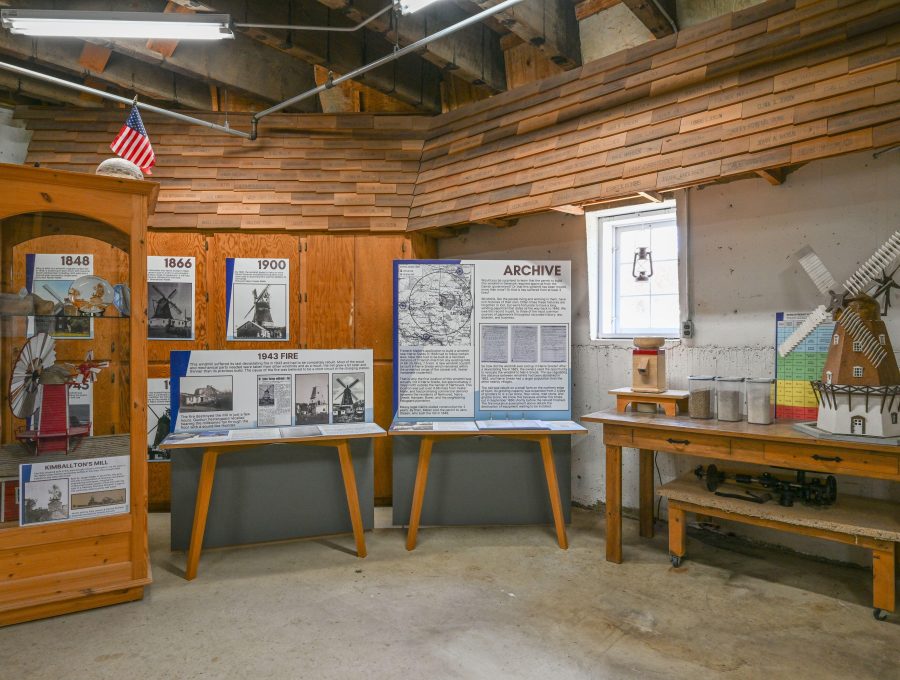
Exhibits and photographs will continue to shape future archive and gallery paths.
See it in Person
Some things can only be understood by standing beneath turning sails, stepping inside a working windmill, or sharing a tradition with the people who keep it alive. Visit the Danish Windmill and the Danish Villages to experience the places, stories, and craftsmanship that make Danish heritage more than something you read about. Here, history is something you can see, hear, and take part in.
Christmas traditions, nisser, food, lights, and winter celebration bring Danish heritage into the season.
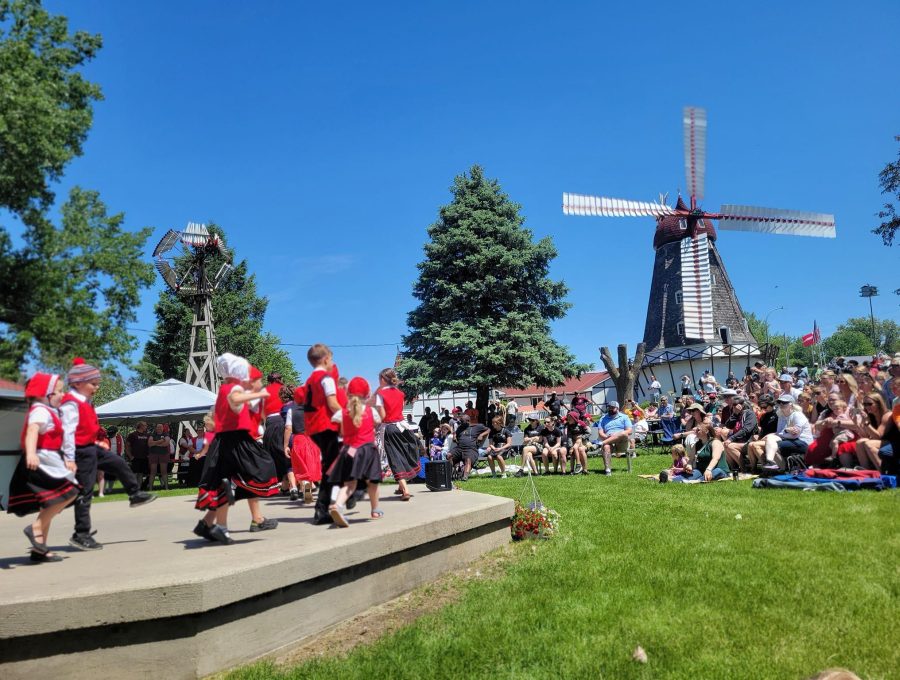
Music, food, dancing, and Danish-American community celebration make culture visible in summer.