Featured
Beloved Danish Storyteller
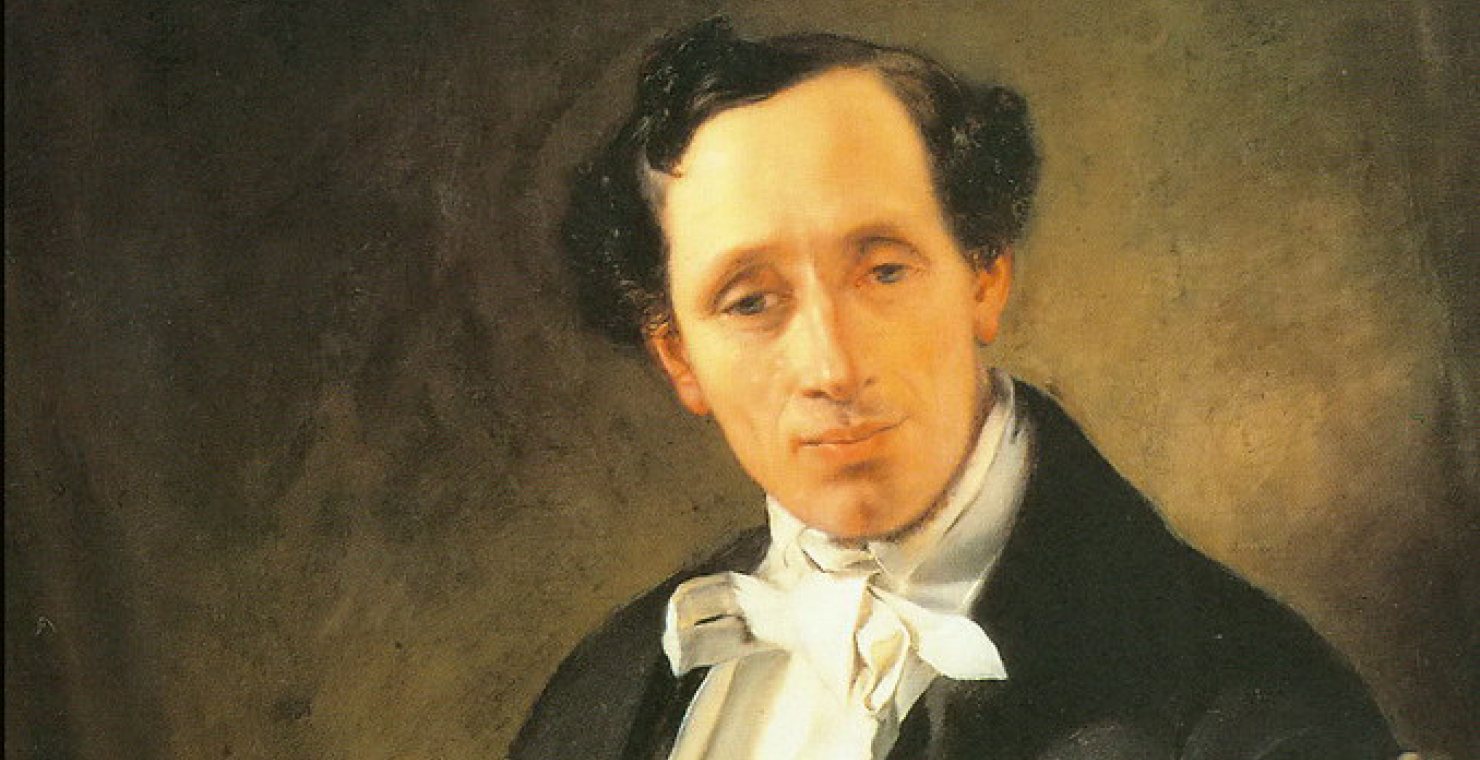
Humble Roots
Hans Christian Andersen was born in Odense on April 2, 1805, the son of a shoemaker and a washerwoman. As a child, he was introduced to literature by his father, who read stories such as Arabian Nights to him. That early world of books, theater, poverty, longing, and performance helped shape a writer whose imagination would travel far beyond Denmark.
Andersen eventually became part of the Danish Golden Age, but his work was never only polished salon literature. His best-known stories often begin with ordinary things: a match, a toy soldier, a pea, a duckling, a paper flower, a mermaid looking toward shore.
More Than Fairy Tales
Andersen is best known for fairy tales, but his creative life was wider than one form. He wrote plays, poems, novels, travelogues, and autobiographical work. He also made paper cuttings, drew illustrations, sang, arranged flowers, and treated imagination as a practice that could move through page, voice, hand, and performance.
That range matters because his stories are not only children's entertainment. They can be funny, severe, tender, lonely, religious, satirical, and strange, often asking readers to notice the emotional life inside people and things that are easy to overlook.
Known Around the World
Hans Christian Andersen's stories have traveled farther than he ever imagined. Though rooted in Denmark, their themes of kindness, perseverance, honesty, and hope continue to resonate across cultures. They have become one of the world's most enduring introductions to Danish imagination and storytelling.
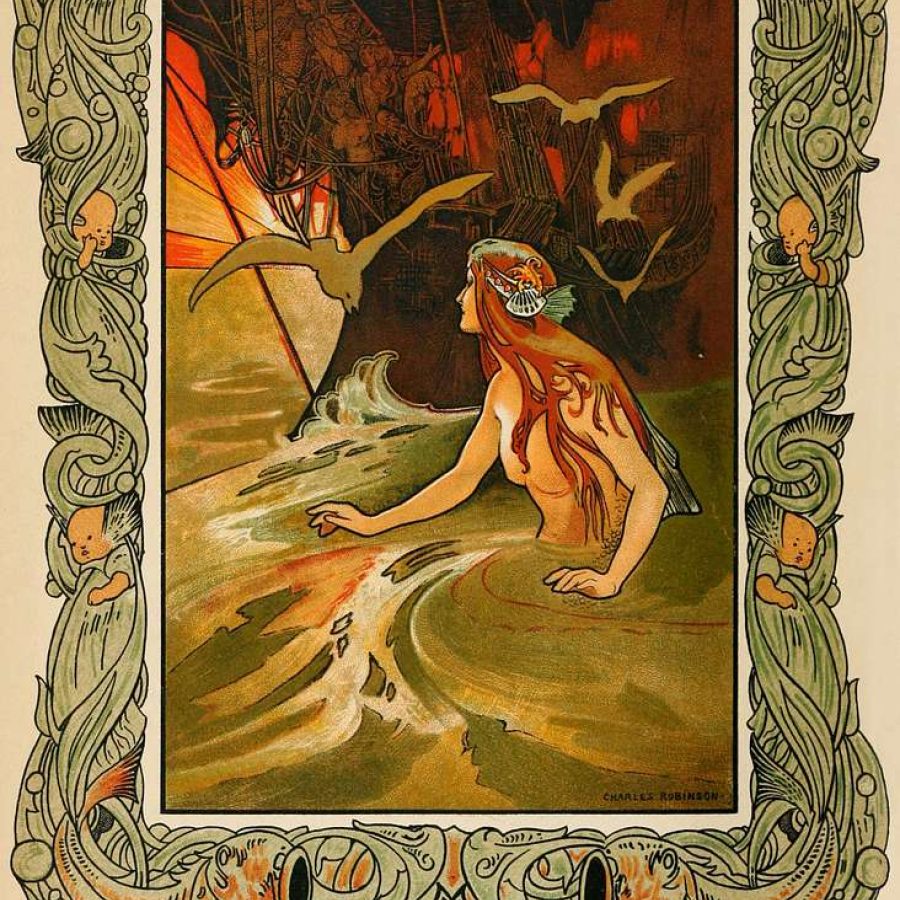
A sea story of longing, transformation, and sacrifice.
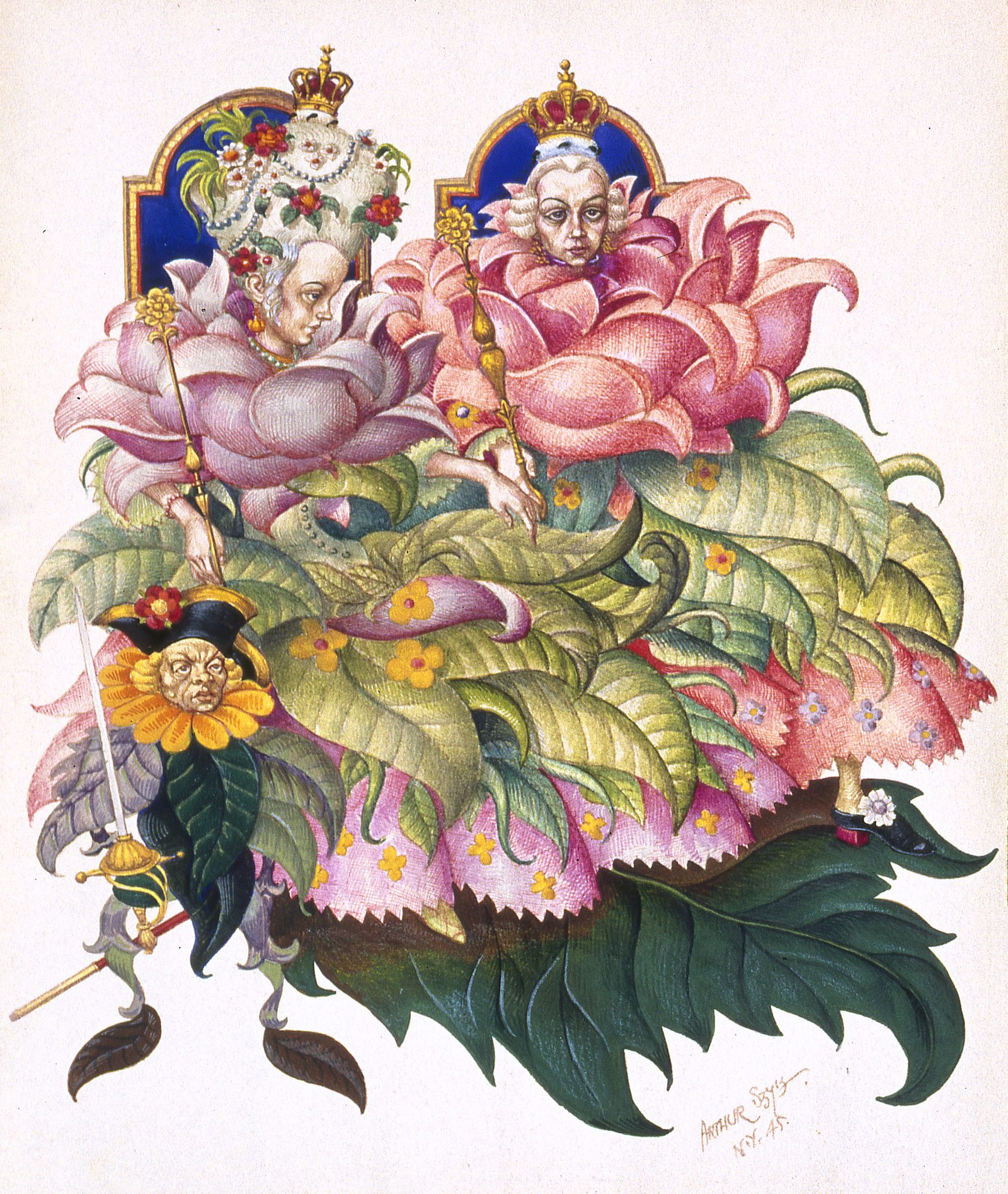
A sharp story about vanity, truth, and the courage to see plainly.
A tale of patience, belonging, transformation, and self-recognition.
A journey through cold beauty, danger, courage, and love.
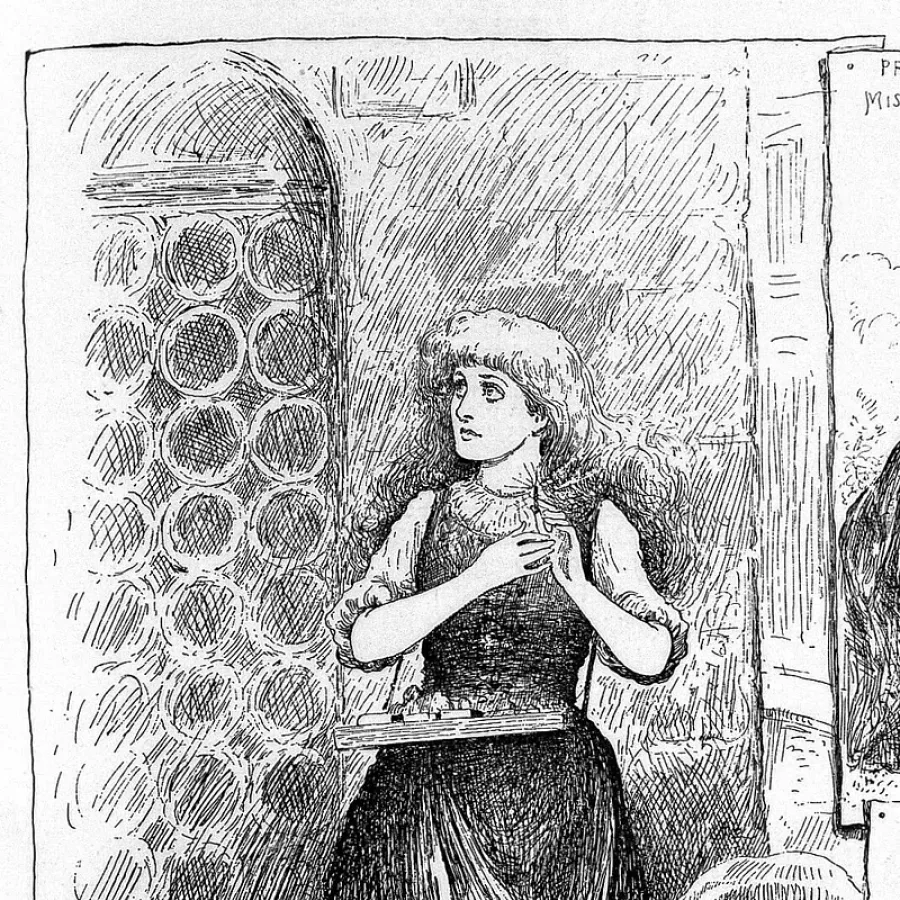
A tender story remembered for hardship, hope, and emotional force.
A small, wondrous story about finding one's place.
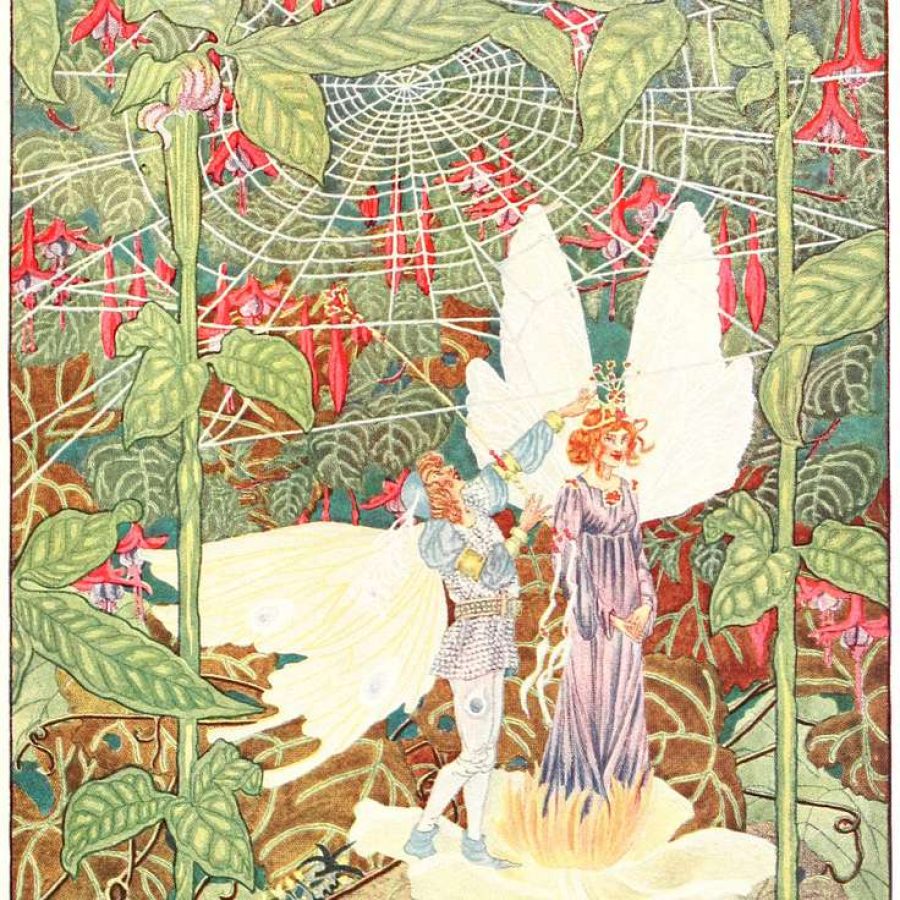
To travel is to live.
– Hans Christian Andersen
Storyteller
Travel and imagination
Andersen traveled widely and wrote about what he saw. His travelogues mixed observation with reflection, sketches, and story. A royal travel grant in the 1830s helped open Europe to him, and travel remained part of his identity as a writer.
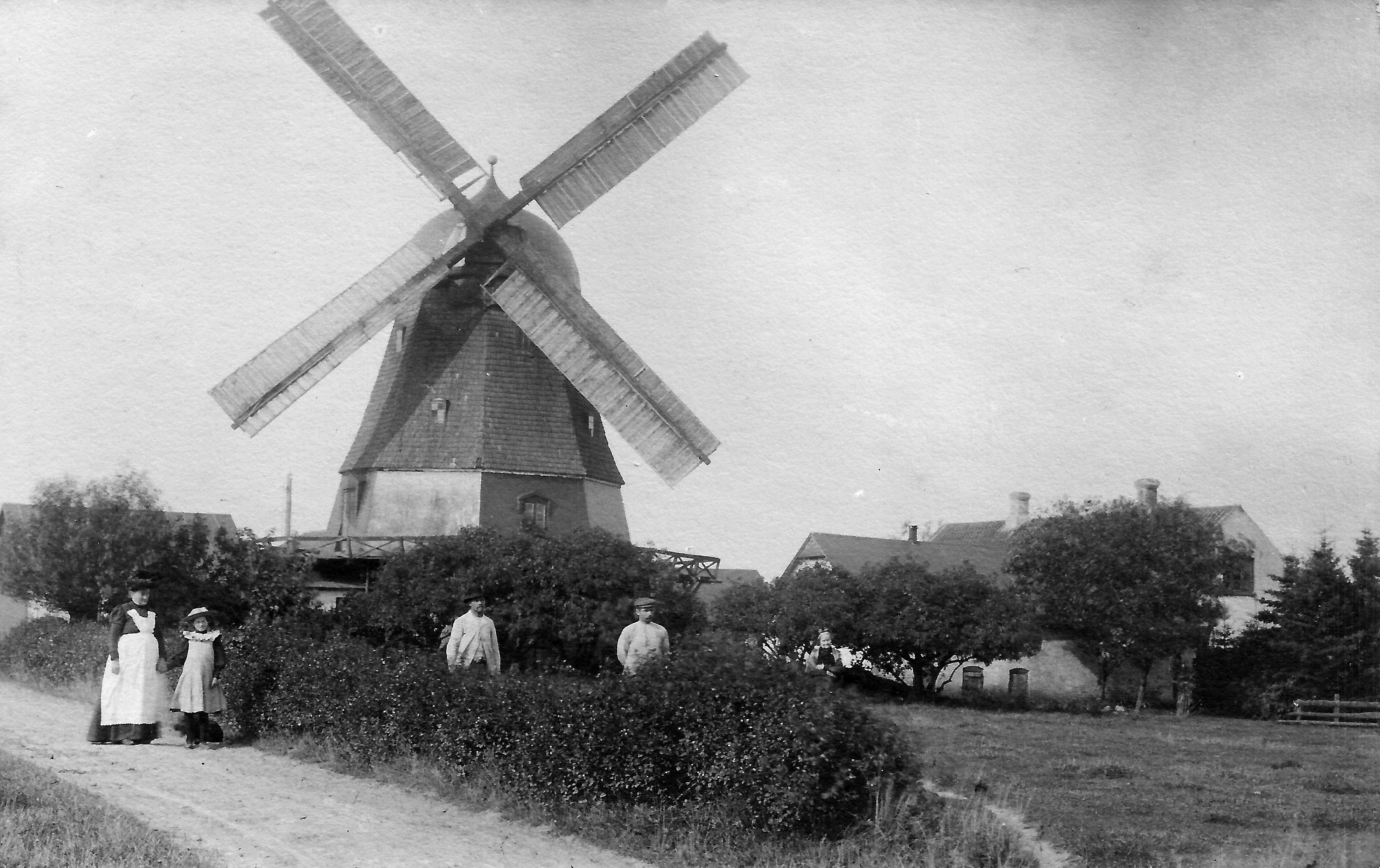
That habit of carrying Danish imagination into the wider world fits naturally beside the Windmill's own journey from Denmark to Iowa. Andersen's stories became portable culture: Danish in origin, but able to speak across languages, countries, classrooms, libraries, theaters, and family bookshelves.
The Danish Villages
Hans Christian Andersen's stories have crossed oceans, been translated into more than 125 languages, and inspired generations of readers around the world. They remain one of Denmark's greatest cultural gifts, carrying the country's imagination far beyond its borders.
At the Danish Windmill and the Museum of Danish America, Andersen's legacy continues through exhibits, historic books, original artwork, and the beloved statue that welcomes visitors to the Danish Villages. Together they celebrate a storyteller whose work helped introduce millions of people to Danish culture and continues to connect generations through stories of courage, hope, and wonder.
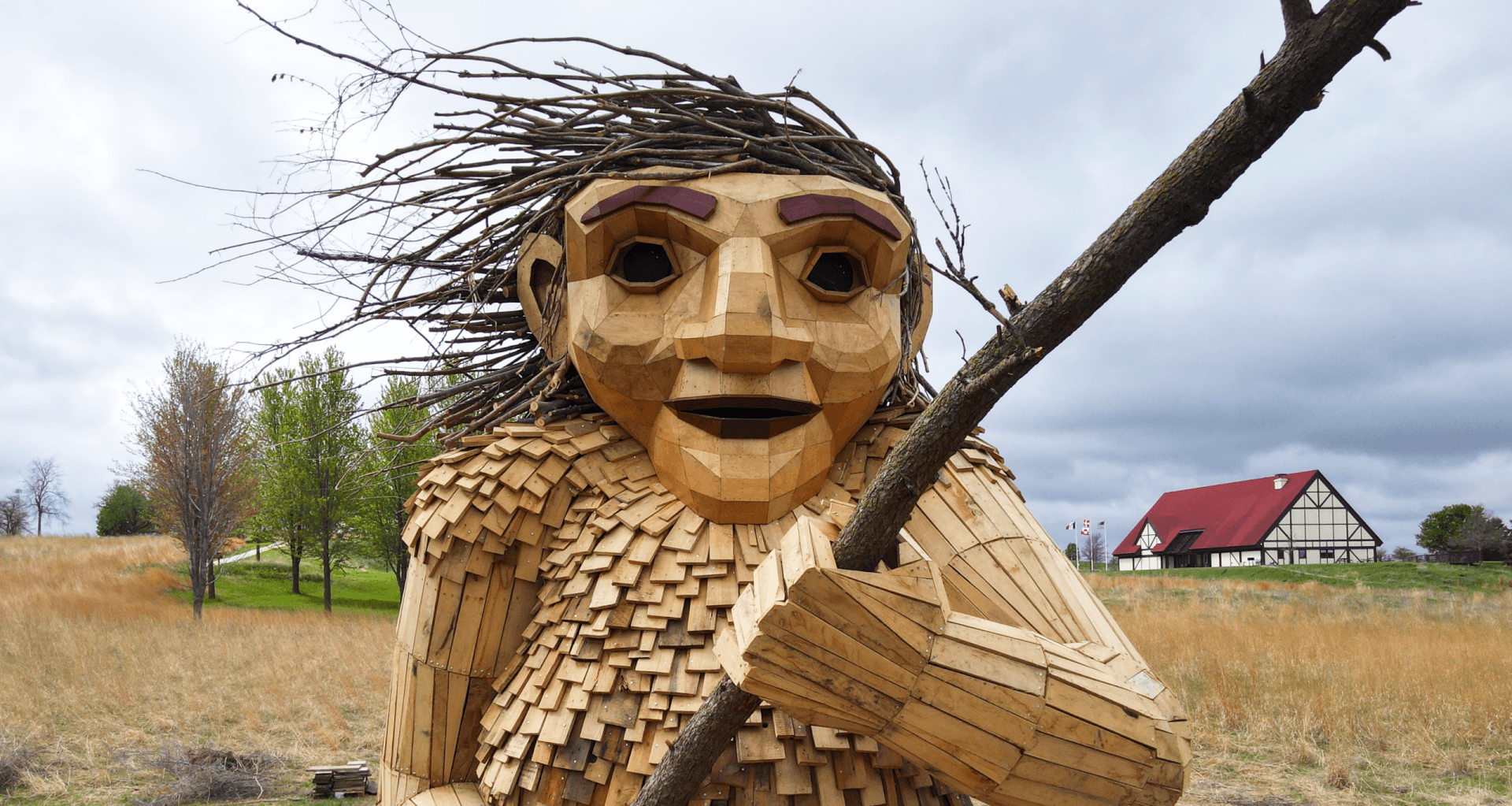
Just a short walk away in Kimballton, the Hans Christian Andersen Fairy Tale Garden invites visitors to wander among sculptures and scenes inspired by his beloved stories. Together with the exhibits at the Danish Windmill and the Museum of Danish America, the garden offers another way to experience how Andersen's work continues to shape Danish culture and inspire visitors of every age.

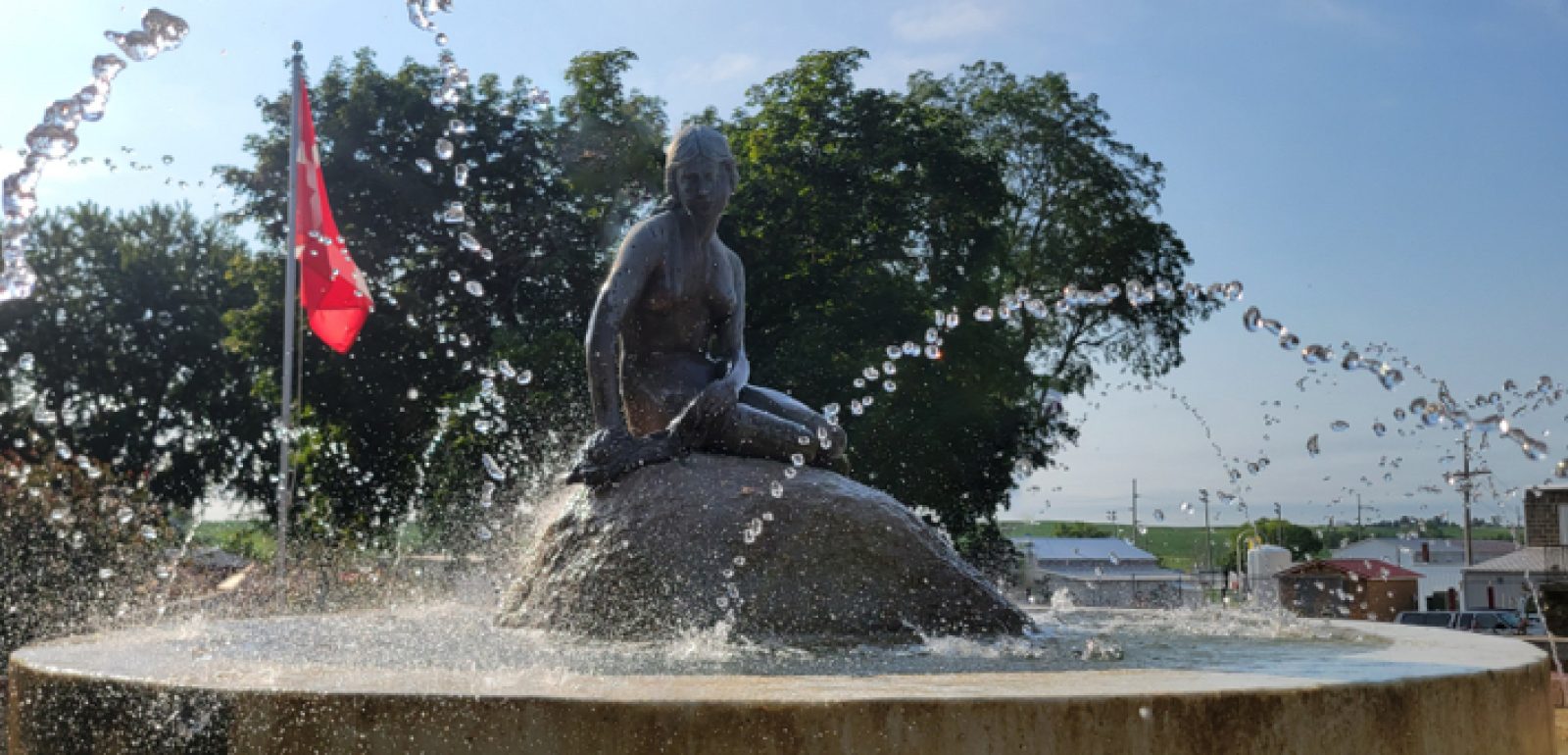

Come visit
You can study diagrams and labels, but nothing compares to watching the machinery work. When the wind is right, hundreds of handcrafted wooden components come alive in a remarkable demonstration of 19th-century engineering.
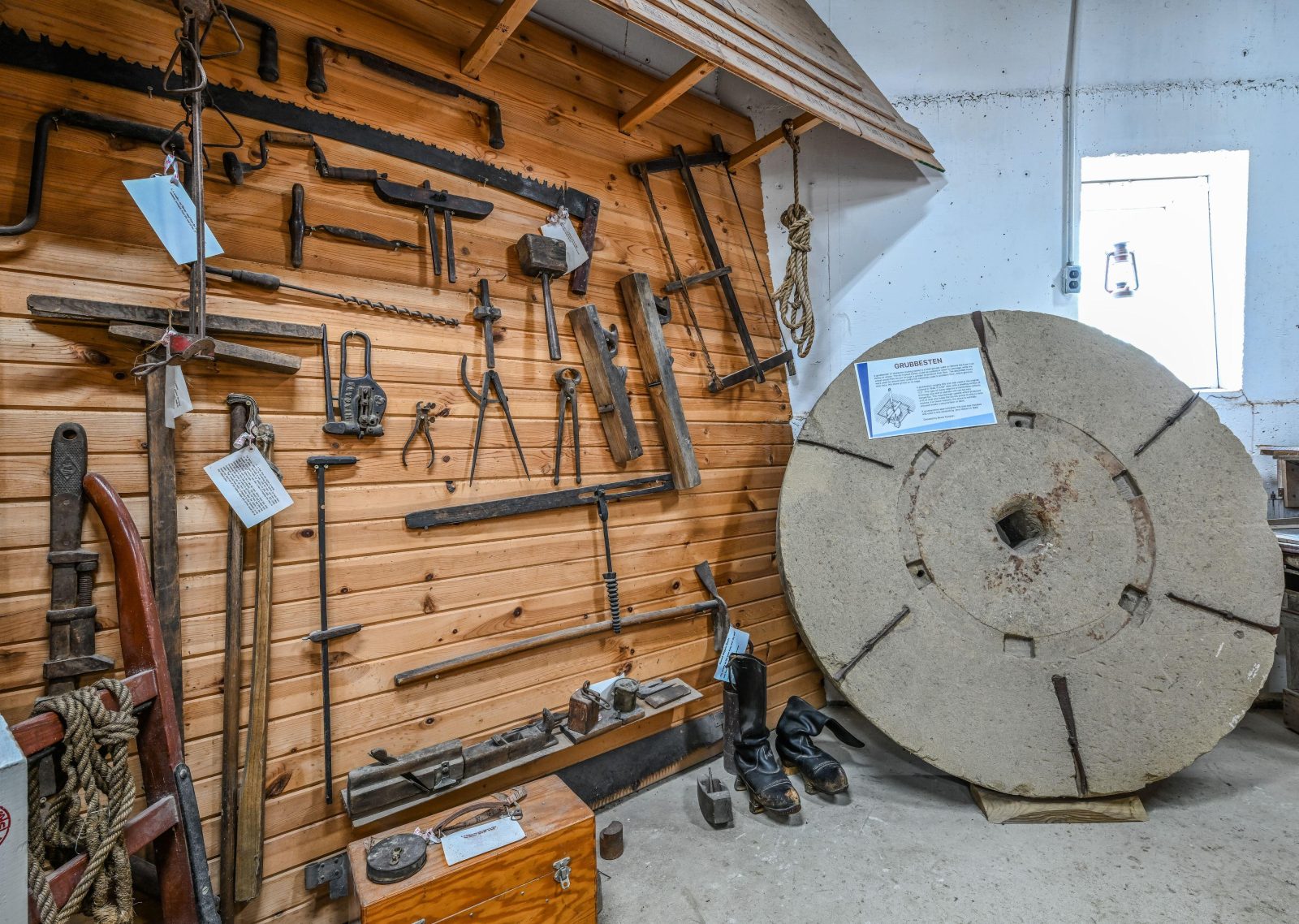
Keep it turning
Members, donors, volunteers, millers, and visitors all help keep this historic machine understandable, visible, and turning for the next generation.